






Sand Dune Agility
Experience the unique challenge of running across undulating sand dunes, a practice deeply ingrained in many African fitness traditions. The shifting,
soft surface demands constant engagement from your ankle muscles, pushing them to work harder than they would on firm ground. This instability is precisely what builds superior balance and fortifies the intricate network of muscles surrounding your ankle joints. To incorporate this into your routine, seek out a safe, accessible sand dune or a beach with yielding sand. The effort required to navigate the terrain naturally improves proprioception, making your ankles more adept at reacting to uneven surfaces and reducing the risk of sprains. It's a holistic approach to strengthening, engaging not just the ankles but also the smaller stabilizing muscles in the feet and lower legs, leading to greater overall resilience.
Barefoot Path Traversal
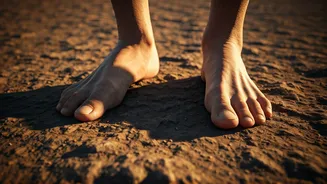
Embrace the wisdom of ancient African communities by walking barefoot on uneven, rocky terrains. This seemingly simple act forces your feet and ankles to constantly adapt, engaging muscles that might otherwise remain dormant. The natural, uninhibited movement pattern stimulated by varied textures and inclines significantly enhances ankle flexibility and raw strength. Begin with short excursions, gradually extending your distance as your ankles grow accustomed to the sensation and exertion. This practice encourages a more grounded connection to the earth, promoting natural foot mechanics and strengthening the intrinsic muscles of the foot, which are crucial for ankle support. It’s a potent reminder that sometimes, the most effective fitness solutions are the most elemental, requiring nothing more than natural surfaces and a willingness to connect with them.
Rhythmic Dance Power
Immerse yourself in the vibrant world of traditional African dance, where complex footwork is paramount. These dynamic routines are a fantastic, culturally rich method for cultivating strong and agile ankles. The rapid steps, sharp turns, and energetic jumps inherent in these dances place a significant demand on your ankle stabilizers, promoting both strength and swift responsiveness. Engaging in these dances offers a dual benefit: it provides an enjoyable and engaging way to maintain physical activity while simultaneously offering a glimpse into rich cultural heritage. The intricate movements challenge your ankles in multiple planes of motion, leading to a well-rounded strengthening effect that translates to better balance and coordination in everyday life, and it's a joyful way to get your workout in.
Ascending Inclines
Tackle the challenge of climbing hills and mountains, a staple activity across many African landscapes that powerfully tones leg muscles and bolsters ankle strength. Ascending steep gradients necessitates increased muscular effort from your lower legs, directly enhancing the stability and resilience of your ankle joints. Seek out a safe, accessible hill or mountain trail to integrate this into your fitness regimen. The sustained engagement required to propel yourself upwards works the calf muscles and the supporting structures of the ankle synergistically. This type of functional training builds endurance and strength, preparing your ankles for varied physical demands and contributing to overall lower body robustness, all while offering the mental uplift that comes from conquering a natural incline.
Natural Resistance Training
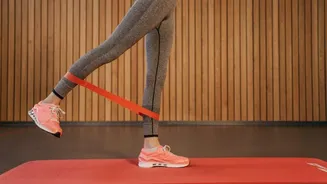
Harness the ingenuity of some rural African communities by utilizing natural resistance tools for targeted ankle strengthening. Simple yet effective items such as ropes or sturdy vines can be ingeniously employed to create resistance for exercises focusing on the lower legs. Movements like controlled toe raises or calf lifts performed against the tension provided by these natural materials are excellent for building specific ankle strength and endurance. This approach demonstrates how effective fitness can be achieved with minimal resources, focusing on fundamental principles of resistance training. By mimicking the functional demands placed on the body in traditional environments, these exercises contribute to a robust and adaptable ankle structure, proving that effective training doesn't require fancy equipment.