






Understanding Travel Tummy
Our digestive systems thrive on routine, making travel a common trigger for gastrointestinal distress. The sudden shift in diet, eating schedules, and
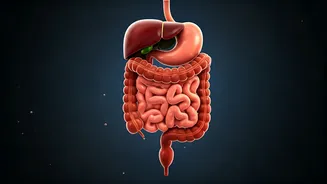
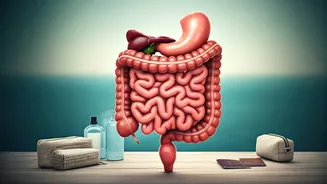
even hydration levels can disrupt the delicate balance of our gut flora. This disruption can manifest as constipation, characterized by infrequent bowel movements and hard stools, often exacerbated by dehydration, particularly in warmer climates. Excessive alcohol consumption and reduced intake of fruits and vegetables further contribute to sluggish bowels. Moreover, decreased physical activity during holidays can slow down the digestive process. Interestingly, some individuals are predisposed to these issues, while others might experience episodes of diarrhea. The primary culprit behind traveler's diarrhea is often consuming contaminated food or water, leading to an upset stomach. High-fat meals, increased alcohol intake, and even excessive consumption of sweet fruit drinks or strong caffeinated beverages can also precipitate diarrhea. When the body struggles to process unfamiliar foods or cope with stress, digestive upset can occur. It's also common to experience a cycle of diarrhea followed by dehydration-induced constipation, as lost fluids aren't adequately replenished.
Preventing Digestive Upset
Proactive measures are key to safeguarding your digestive health on vacation. Before you even depart, research your destination for any specific health advisories, particularly regarding food and water safety, and ensure you're up-to-date on recommended vaccinations. Maintaining consistent hydration is paramount; make water your primary beverage, supplemented by naturally sweetened drinks. Prioritize consuming plenty of fruits and vegetables, opting for varieties familiar to your usual diet to minimize shock to your system. Limit your intake of fruit juices to one serving daily to avoid excessive sugar. Incorporating a post-meal walk can stimulate your digestive system. Adhering to regular meal times, rather than skipping meals, helps maintain a predictable rhythm for your bowels. Be mindful of portion sizes and avoid excessively rich, high-fat meals. Moderation is also advised for alcohol consumption. By adopting these simple yet effective habits, you can significantly reduce the likelihood of experiencing unpleasant digestive issues during your travels.
Managing Gut Symptoms
Should you experience constipation while traveling, the first line of defense is to ramp up your fluid intake, incorporating fruit juices throughout the day to help soften stools and encourage movement. Increasing dietary fiber through snacks like dried fruit or adding seeds like flax or chia can also be beneficial, but ensure you maintain adequate hydration to prevent adverse effects. Over-the-counter fiber supplements or mild laxatives can provide additional support. For diarrhea, medications like loperamide can offer prompt relief from symptoms. However, it's crucial to combat dehydration by consuming oral rehydration solutions and plenty of water. If diarrhea is accompanied by a high fever or the presence of blood or mucus in your stool, seek immediate medical attention, as this may indicate a more serious infection requiring specific treatment, and avoid self-medicating with over-the-counter drugs. Even after returning home, your digestive system may need a few days to re-regulate. If symptoms persist for an extended period, consulting your general practitioner is advisable.