







Eco-Friendly Fabrics Flourish
African boutiques are increasingly prioritizing the use of environmentally sound textiles, such as organic cotton, hemp, and bamboo. These fibers are cultivated
without relying on harsh pesticides or synthetic chemicals, significantly reducing the ecological footprint associated with textile production. By choosing garments made from these materials, consumers actively contribute to a healthier planet. Furthermore, these natural fabrics often boast superior durability and enhanced comfort compared to their conventionally produced counterparts, offering a luxurious feel and long-lasting wear.
Artisans' Creative Hub
A cornerstone of the African boutique experience is the direct empowerment of local craftspeople. These establishments foster partnerships with skilled artisans who employ time-honored techniques to create distinctive, handcrafted pieces. This collaborative approach not only safeguards precious cultural heritage for future generations but also ensures that artisans are justly compensated for their expertise and labor. When you patronize these boutiques, you are directly investing in the economic vitality and prosperity of these communities, fostering a cycle of sustainable growth.
Unique Cultural Designs
The allure of African boutiques lies in their distinctive design aesthetics, deeply rooted in the continent's rich tapestry of cultural expressions. Vibrant color palettes, intricate beadwork, and patterns inspired by indigenous traditions and natural landscapes define these collections. Shoppers have the opportunity to acquire singular pieces that authentically stand out from the homogeneous offerings of mass-market fashion. Each garment tells a compelling story, showcasing the artistry and heritage woven into its very fabric.
Sustainable Accessories Spotlight
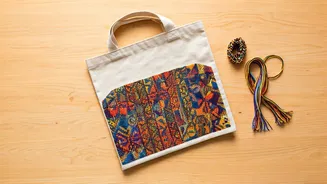
Beyond apparel, many African boutiques extend their commitment to sustainability through an impressive array of accessories. These items are frequently crafted from upcycled materials or ethically sourced natural resources. Think elegant jewelry fashioned from reclaimed metals or chic bags ingeniously constructed from fabric remnants. These accessories serve as the perfect complement to a sustainable wardrobe, allowing fashion-conscious individuals to complete their look with stylish yet responsible choices that align with eco-friendly values.
Fair Trade Fundamentals
The guiding principle behind numerous African boutiques is the adherence to robust fair trade practices. This commitment ensures that all individuals involved in the production process are treated with fairness and receive equitable remuneration for their contributions. These principles often manifest as transparent pricing mechanisms and dedicated initiatives aimed at community development, financed through the boutiques' sales revenue. By consciously choosing to shop at these establishments, consumers actively champion social equity and ethical conduct within the global fashion ecosystem.