








What Is Shingles?
Shingles, medically known as herpes zoster, manifests as a painful skin rash. It arises from the varicella-zoster virus, the same culprit behind chickenpox.
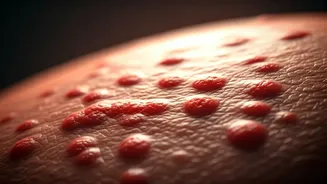
After a chickenpox infection, the virus remains dormant within the nerve tissues. Later, due to factors like weakened immunity or stress, it can reactivate, causing shingles. The most common symptom is a rash, usually appearing on one side of the body, often along a nerve pathway. This rash is characterized by fluid-filled blisters that eventually crust over. Along with the rash, individuals may also experience fever, headache, and fatigue. Prompt diagnosis and treatment are crucial to manage pain and avoid long-term complications such as postherpetic neuralgia, a persistent nerve pain that can linger even after the rash has healed.
Who's at Risk?
While anyone who has had chickenpox can develop shingles, certain groups are at higher risk. The risk increases with age, with individuals over 50 more prone to the condition. This is partly due to the natural decline in immune function that occurs as we get older. People with weakened immune systems, such as those with HIV/AIDS, cancer, or those undergoing immunosuppressive treatments (like chemotherapy), are also at increased risk. Additionally, stress can trigger shingles. Stress can compromise the immune system, making the reactivation of the virus more likely. Moreover, individuals who have not been vaccinated against chickenpox or shingles are at a greater risk. It's important to remember that shingles itself is not contagious, but the virus can be transmitted to those who have not had chickenpox or the chickenpox vaccine, causing them to develop chickenpox.
Early Warning Signs
Recognizing the initial symptoms of shingles is crucial for early intervention. Before the characteristic rash appears, several precursory signs may surface. These often include pain, burning, or tingling sensations in a specific area of the skin. This discomfort typically precedes the rash by one to five days. The affected area might also feel sensitive to touch. Other early indicators can include flu-like symptoms, such as fever, headache, and fatigue. Some people also experience sensitivity to light. Within a few days, a red rash typically emerges, evolving into fluid-filled blisters that crust over. The rash usually appears on one side of the body, often on the torso, but can also affect the face, including the eye. If any of these early warning signs are noticed, consulting a healthcare provider immediately is advisable.
Treatment Options
Prompt treatment is essential to manage shingles and mitigate complications. Antiviral medications, such as acyclovir, valacyclovir, and famciclovir, are typically prescribed to reduce the severity and duration of the outbreak. These medications work best when started within 72 hours of the rash's onset. Pain management is also a crucial part of treatment. Over-the-counter pain relievers, like ibuprofen or acetaminophen, can help to alleviate mild to moderate discomfort. In cases of more severe pain, a healthcare provider might prescribe stronger pain medications. Other supportive measures include keeping the rash clean and dry to prevent secondary infections. Cool compresses and soothing lotions, such as calamine lotion, can help ease itching. In some instances, antiviral medications are combined with other treatments to address specific complications, such as postherpetic neuralgia.
Shingles Prevention Strategies
While there's no guaranteed way to prevent shingles, certain measures can reduce the risk. Vaccination is the most effective preventive measure. The shingles vaccine, recommended for adults aged 50 and older, significantly lowers the risk of developing shingles and its complications. Maintaining a healthy lifestyle is also essential. This includes eating a balanced diet, exercising regularly, and managing stress levels. These lifestyle choices help support a strong immune system, which can help to prevent the reactivation of the virus. Individuals with weakened immune systems should be particularly proactive. They should consult with their healthcare provider to discuss preventative measures and treatment options if symptoms arise. Those who have had chickenpox or have been vaccinated should also be mindful of their health to reduce the chances of developing shingles.