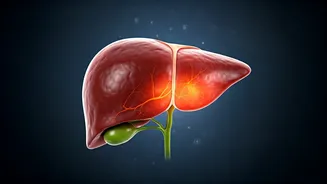

Sleep's Liver Connection
The relationship between sleep patterns and liver health is attracting considerable attention. Research has consistently shown that sleep is not merely
a period of rest; it's a crucial time when our body undertakes critical processes. The liver, a vital organ, works around the clock to filter toxins, process nutrients, and synthesize proteins. Disruptions in sleep, whether too much or too little, can interfere with these functions. Studies suggest that irregular sleep can lead to increased inflammation within the liver. This inflammation can eventually contribute to the development of various liver diseases. Further investigation reveals a complex interplay of hormonal imbalances, metabolic changes, and oxidative stress that may explain these connections. Therefore, understanding and managing sleep patterns effectively is critical for anyone wanting to maintain a healthy liver and overall wellness. Prioritizing consistent, high-quality sleep can significantly reduce the risk of liver-related problems.
Oversleeping Implications Explored
While adequate sleep is often promoted, recent studies emphasize the downsides of sleeping excessively. Oversleeping, typically defined as more than nine hours a night, has been linked to several adverse health outcomes, including an elevated risk of liver disease. Researchers believe several biological mechanisms are involved. Prolonged sleep can disrupt the body's natural circadian rhythm, which coordinates various physiological functions, including those in the liver. This disruption can cause the liver to work less efficiently, which leads to toxin buildup and increased oxidative stress. Additionally, oversleeping may be associated with obesity and metabolic syndrome, both of which are risk factors for non-alcoholic fatty liver disease (NAFLD). This disease is one of the most common chronic liver conditions globally. When someone sleeps for extended periods, it often leads to less physical activity, impacting metabolism. As a result, the body's ability to process fats and sugars decreases, thereby promoting fat accumulation in the liver. Understanding the impact of oversleeping on your health is crucial for making informed decisions about your sleep habits. Proper sleep is important for optimal liver function.
Undersleeping and Risks
The negative effects of insufficient sleep on liver health are just as alarming as oversleeping. Chronic sleep deprivation, characterized by sleeping less than seven hours a night, is a major concern. When you don't get enough sleep, it places significant stress on the body. This stress can trigger inflammatory responses and lead to hormonal imbalances. In the liver, this can cause the buildup of fat and damage to liver cells, raising the risk of conditions like NAFLD and cirrhosis. Studies also show that lack of sleep is linked to insulin resistance. This means the body struggles to effectively use insulin, which can lead to increased blood sugar levels and, eventually, contribute to fatty liver disease. Moreover, insufficient sleep can disrupt the gut microbiome, which affects liver health, as the gut and liver are closely interconnected. When the gut is unhealthy, it can cause increased inflammation that affects the liver's function. This highlights the importance of not just the quantity of sleep but also the quality.
Lifestyle Interventions
Taking charge of your sleep habits is one of the most proactive steps you can take to safeguard your liver health. The good news is that many lifestyle adjustments can improve the quality and duration of your sleep. First, establishing a regular sleep schedule is essential. Go to bed and wake up at the same time every day, including weekends, to regulate your body's natural clock. Creating a relaxing bedtime routine can also promote better sleep. This could involve taking a warm bath, reading a book, or practicing relaxation techniques. Your sleep environment also matters. Make sure your bedroom is dark, quiet, and cool. Regular physical activity during the day can improve sleep, but avoiding strenuous exercise close to bedtime is important. Dietary choices can affect sleep. Limit caffeine and alcohol intake, especially in the evening. Eating a balanced diet rich in whole foods and fiber and low in processed foods and saturated fats supports both sleep and liver health. Consult a healthcare professional if you have persistent sleep issues.