






The Auspicious Ledger Opening
The core of the Haal Khata tradition, observed on Bengali New Year or Pohela Boishakh, revolves around the ceremonial commencement of new accounting books,
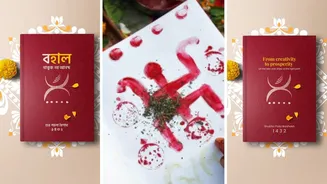
often referred to as 'khero khata'. This age-old practice, stretching back over 430 years, signifies more than just a financial refresh. Bengali traders deem this day exceptionally propitious for closing off old account books and initiating new ledgers. These new ledgers are typically adorned with a striking red cover, a color deeply associated with good fortune and sustained economic advancement in Bengali culture. Before commencing any new entries, outstanding dues are meticulously settled, and the very first transaction of the new fiscal year is recorded with utmost reverence, often accompanied by prayers and the burning of incense. The red binding serves as a potent symbol of auspicious beginnings and the pursuit of financial stability throughout the coming year, embodying hope and renewed commitment for businesses.
Customer Relations Reaffirmed
Beyond the financial aspect, Haal Khata places a significant emphasis on nurturing relationships between traders and their valued clientele. Shopkeepers extend personal invitations to their loyal customers, encouraging them to visit their establishments on this special day. Upon arrival, guests are warmly welcomed, often with traditional Bengali sweets ('mishti') and a cup of tea. This thoughtful gesture serves to reinforce the bond of trust that exists between the business and its patrons, fostering goodwill and encouraging continued patronage for the upcoming year. It underscores the principle that business success is built not merely on transactions but on mutual respect and enduring relationships, transforming the commercial space into a setting for community interaction and appreciation.
Devotional Practices for Prosperity
Many business owners commence the Haal Khata day by performing a small, dedicated puja before officially starting their new account entries. The primary deities invoked are Goddess Lakshmi, revered as the bestower of wealth and abundance, and Lord Ganesh, the remover of obstacles. Through these prayers, traders seek divine blessings for smooth and prosperous trade, coupled with a commitment to ethical business practices. This spiritual dimension to the commencement of the financial year highlights the integration of faith with commerce, reflecting a holistic approach to business where spiritual well-being and material success are seen as interconnected. The ritual aims to ensure stability, growth, and integrity in all business dealings for the year ahead.
Home Preparations and Festive Attire
The spirit of Haal Khata extends vibrantly into households, with families partaking in various preparatory rituals. The day typically begins with an early wake-up call, followed by a purifying bath, after which everyone dons traditional attire. Women often opt for elegant sarees, frequently in auspicious shades of red and white, while men usually choose the traditional 'panjabi'. A significant part of the household preparation involves decorating the floors with intricate 'alpana' patterns, meticulously drawn using rice paste. These artistic designs symbolize purity, a warm welcome, and a sense of order within the home. This collective engagement in domestic rituals reflects the broader cultural celebration and the anticipation of a fresh, prosperous start to the Bengali New Year.
Cultural Festivities and Cuisine
Pohela Boishakh, amplified by the Haal Khata celebrations, is a time of immense cultural vibrancy. Throughout West Bengal and Bangladesh, 'Boishakhi melas' (fairs) spring to life, featuring lively cultural programs, often including performances of Rabindra Sangeet. These events foster a sense of community and shared celebration. The festive atmosphere is further enhanced by traditional cuisine, with dishes like 'ilish maach' (hilsa fish) and 'panta bhat' (fermented rice) being staples closely associated with the season and Bengali regional identity. In regions like Tripura, Bengali-speaking communities harmoniously integrate Haal Khata observations with their indigenous customs, showcasing a beautiful blend of cultural practices and mutual respect.