


The Humble Paratha's Rise
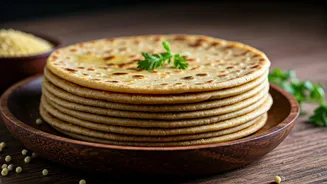
Pearl millet paratha, often referred to as bajra roti or bhakri in various Indian regions, is emerging as a standout breakfast contender. More than just
a traditional food item found in many Indian kitchens, it's a testament to nutritious eating made accessible. As health consciousness grows, people are actively seeking breakfast options that are both filling and beneficial. This whole grain flatbread fits the bill perfectly, offering sustained energy and satisfaction to kickstart the morning. Its inherent adaptability means it pairs beautifully with a wide array of side dishes, from spicy pickles to cooling yogurts, cementing its status as a beloved, wholesome morning meal for many across the country.
Nutrient Powerhouse Revealed
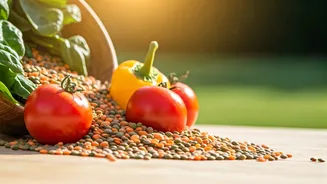
The nutritional superiority of pearl millet is what truly elevates this paratha. It's remarkably rich in dietary fiber, a crucial component for promoting healthy digestion and ensuring a prolonged feeling of fullness, which can curb mid-morning cravings. Beyond fiber, pearl millet is a significant source of vital minerals. You'll find essential elements like magnesium, which plays a role in energy production and muscle function, phosphorus, crucial for bone health and metabolism, and iron, indispensable for carrying oxygen throughout the body. These minerals collectively contribute to sustained energy levels, helping individuals power through their day. Furthermore, pearl millet boasts a low glycemic index, making it an excellent choice for individuals monitoring their blood sugar levels, as it leads to a slower, more gradual rise in glucose after consumption.
Effortless Kitchen Creation
Whipping up delicious pearl millet parathas is surprisingly straightforward, demanding only a few basic ingredients and minimal effort. The process begins with combining pearl millet flour with water until a pliable dough forms, much like preparing chapati dough. Small portions of this dough are then rolled out into thin, round flatbreads. These are subsequently cooked on a heated griddle or 'tawa' until they achieve a delightful golden-brown hue on both sides, indicating they are perfectly cooked. For those who enjoy a bit more zest in their breakfast, the dough itself can be enhanced by incorporating finely chopped fresh vegetables like onions, tomatoes, or spinach, or by mixing in a blend of aromatic spices such as cumin, coriander, or turmeric before the parathas are rolled out and cooked.
Flavorful Culinary Pairings
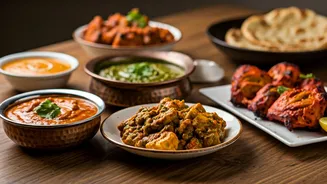
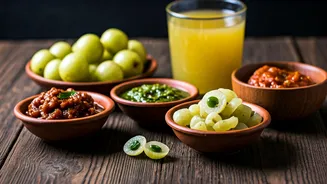
To truly enhance the dining experience of your pearl millet paratha, consider pairing it with complementary dishes that add layers of flavor and texture. A dollop of creamy, plain yogurt offers a cooling contrast to the earthy notes of the millet, while a tangy, spicy Indian pickle provides a delightful zest that awakens the palate. For a burst of freshness, consider serving it with homemade chutneys; a vibrant coriander chutney or a refreshing mint chutney are excellent choices that beautifully complement the paratha's subtle flavor. Additionally, incorporating a side of freshly sliced raw vegetables, such as crisp cucumbers or juicy tomatoes, adds a pleasant crunch and a vital element of freshness, contributing to a well-rounded and satisfying meal.
Budget-Friendly Breakfast Delight
One of the most compelling advantages of making pearl millet paratha a regular part of your breakfast routine is its remarkable cost-effectiveness. The primary ingredients required for its preparation are staples found in most Indian kitchens and are typically very affordable. This makes it an exceptionally practical and sensible option for anyone aiming to adopt a healthier eating pattern without incurring significant expenses. It democratizes nutritious eating, proving that wholesome and satisfying meals don't need to be prohibitively expensive, offering a champion breakfast solution that is both healthy and easy on the wallet for the average Indian household.