







Tech Tackles Specialist Gaps
India's healthcare landscape is undergoing a significant metamorphosis, largely driven by the integration of Artificial Intelligence (AI) and advanced
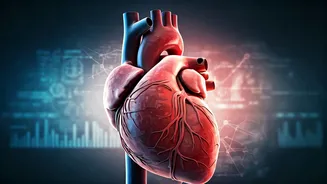
digital technologies. This shift is particularly crucial in addressing the persistent challenge of specialist shortages across the nation. With a population exceeding 1.4 billion, the country faces a considerable deficit, such as approximately 15,000 fewer radiologists than needed. This scarcity directly contributes to substantial delays in diagnosing critical health conditions. AI-powered interpretation tools are emerging as vital allies for clinicians, adept at swiftly analyzing medical images like X-rays and effectively alleviating diagnostic bottlenecks. The urgency for early disease detection is amplified by the growing prevalence of chronic illnesses, which account for a significant portion of fatalities – nearly 28% of all deaths in India are attributed to cardiovascular diseases alone. Many of these conditions escalate due to delayed identification, but proactive screening initiatives supported by technological interventions hold the promise of dramatically improving patient prognoses. Furthermore, these digital advancements are instrumental in bridging the urban-rural healthcare disparity. With a substantial majority, around 65-70%, of India's population residing in remote areas where access to specialized medical care and sophisticated diagnostic facilities is often limited, digital platforms, telemedicine services, and technologically enhanced laboratory networks are crucial in extending healthcare reach. AI is also paving the way for predictive healthcare, where the analysis of extensive medical records and imaging data allows for the identification of individuals at high risk, even before overt symptoms manifest, signaling a profound move from reactive treatment to proactive health management.
Digital Labs Boost Speed
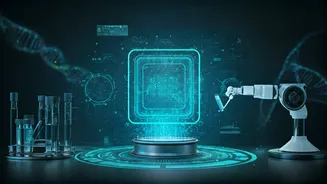
The evolution of diagnostic services is significantly accelerated by the emergence of digital laboratories, marking a substantial transition from traditional, manual processes to highly automated systems. Previously, laboratory workflows were heavily reliant on human intervention at every stage – from the initial processing of samples and intricate testing procedures to the careful validation of results and the final generation of reports. This manual approach often led to prolonged turnaround times, delaying crucial diagnostic insights. However, with the implementation of automation and AI-driven analytical capabilities, laboratories are now equipped to handle a much larger volume of tests with enhanced efficiency, all while upholding stringent quality standards. Sophisticated automated sample handling mechanisms, integrated laboratory information management systems, and intelligent data analysis tools collectively enable the streamlined processing of vast numbers of tests. A particularly impactful benefit has been the dramatic reduction in the time it takes to deliver test results. In numerous instances, outcomes that previously required several days to obtain are now available within mere hours. This expedited delivery is paramount in clinical settings where prompt diagnosis directly influences treatment strategies, especially for urgent investigations like cardiac markers, comprehensive infection panels, and other critical blood tests. The emphasis on preventive healthcare is also growing, with a strong push for annual diagnostic screenings as a proactive measure. While India is undeniably moving towards a more preventive health model, there remains significant ground to cover. Routine screenings are advocated as a vital step for early detection of conditions such as diabetes, various cardiovascular ailments, and certain types of cancer, ultimately contributing to better long-term health outcomes.
AI: A Partner, Not Replacement
Experts in the healthcare sector are emphasizing a crucial distinction regarding the role of AI in diagnostics: it serves as a powerful enhancer, not a substitute for human expertise. Artificial Intelligence is best understood as a sophisticated enabler that elevates the accuracy, efficiency, and predictive capacity of contemporary laboratories. AI systems possess an unparalleled ability to process and analyze immense datasets, encompassing patient histories and intricate biomarker patterns, at a scale far beyond the scope of manual methods. This advanced analytical power allows for the identification of subtle anomalies that might otherwise go unnoticed, potentially signaling the earliest stages of disease. This is particularly impactful in fields such as oncology screening, the detection of metabolic disorders, and the assessment of cardiac risk. However, the consensus among professionals is that technology achieves its greatest potential when working in synergy with human clinical judgment. AI functions most effectively as a decision-support tool, reinforcing the diagnostic acumen of physicians and contributing to greater consistency while simultaneously minimizing the likelihood of human error. As India's healthcare infrastructure continues its dynamic evolution, the synergistic integration of AI with established diagnostic practices is poised to play a pivotal role in advancing the agenda of preventive healthcare and broadening access to timely early disease detection for the population.