



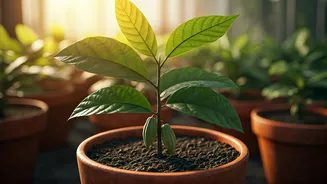

Container Choices Matter
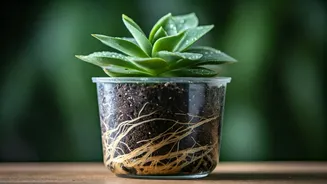
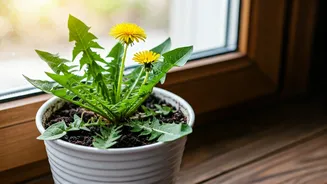
Embarking on your indoor dandelion cultivation journey begins with selecting the right vessel. Opt for containers that offer at least six inches of depth
to allow ample room for root development. Crucially, ensure these pots are equipped with drainage holes to prevent the detrimental accumulation of excess moisture, which can lead to root rot. Wider containers are advantageous as they can house multiple plants simultaneously, thereby maximizing your yield. Furthermore, consider pots crafted from breathable materials, such as terracotta or fabric planters; these promote healthier root systems by facilitating air circulation compared to non-porous alternatives. This initial step sets the foundation for robust plant growth and abundant harvests.
Soil Essentials Unpacked
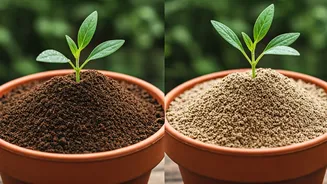
For dandelions to flourish indoors, providing them with an ideal soil environment is paramount. They thrive in a medium that allows for excellent drainage while also being nutrient-rich. A balanced blend typically includes standard potting soil, enriched with compost or peat moss. This mixture ensures that while water can pass through freely, preventing waterlogged conditions, the plants still have access to the vital nutrients necessary for healthy growth. It's important to avoid soils that are heavily compacted, as this can restrict the roots' ability to expand and absorb sustenance, ultimately compromising the overall vitality of your dandelion plants. A light, well-aerated soil is the key to happy roots.
Illuminating Your Greens
Adequate light exposure is a non-negotiable aspect of growing vibrant dandelion greens indoors. The most effective natural light source is a south-facing window, which can typically provide the required six hours of direct sunlight per day. This consistent exposure fuels the photosynthetic process, leading to lush and healthy foliage. Should your indoor environment lack sufficient natural light, especially during shorter days or in rooms with limited sun exposure, supplementary lighting is a viable solution. Employing grow lights positioned approximately 12 inches above your plants can effectively mimic natural sunlight, ensuring your dandelions receive the necessary illumination for optimal development and production.
Watering Wisely
Mastering the art of watering is critical for maintaining the health and productivity of your indoor dandelion garden. A simple yet effective rule of thumb is to water only when the uppermost inch of soil feels dry to the touch. This prevents overhydration, a common pitfall that can lead to root rot and other fungal issues. Equally important is ensuring that after each watering, any surplus water can freely drain from the pot's designated holes. The goal is to maintain soil that is consistently moist, providing a steady supply of hydration without becoming saturated or swampy. This careful balance encourages strong root systems and vigorous leaf growth.
Harvesting for Freshness
To continuously enjoy the fresh, slightly bitter taste of dandelion greens, a regular harvesting routine is essential. Begin by carefully snipping off the outer leaves when they reach a length of about four inches. Use clean scissors or shears to make a precise cut at the base of the leaves. This method not only provides you with nutritious greens for your salads but also stimulates the plant to produce new growth from its center. By engaging in frequent harvesting, you encourage a continuous cycle of production, ensuring a steady supply of fresh leaves throughout your growing period without negatively impacting the plant's long-term health or causing overcrowding within the container.