





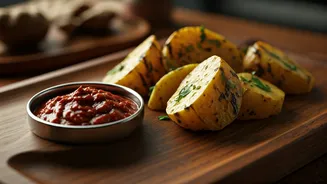

Dhokla: The Delight
Dhokla, a beloved Gujarati snack, takes center stage with its fluffy texture and tangy flavor. This steamed cake, made from fermented batter of rice and chickpeas,
is a testament to the art of vegetarian cooking. The fermentation process is key, giving the dhokla its characteristic lightness. Seasoned with mustard seeds, green chilies, and a hint of asafoetida, it offers a burst of flavors. Served with a side of chutney, it's a perfect snack or breakfast option. The soft, spongy nature of Dhokla makes it easy to eat, and it is a healthier alternative compared to fried snacks. Many variations exist, like Rava Dhokla and Khaman Dhokla, each adding a unique dimension to this classic dish. The use of simple ingredients, combined with traditional cooking methods, makes Dhokla a timeless Gujarati favorite, embodying the state’s culinary charm.
Undhiyu: A Fusion
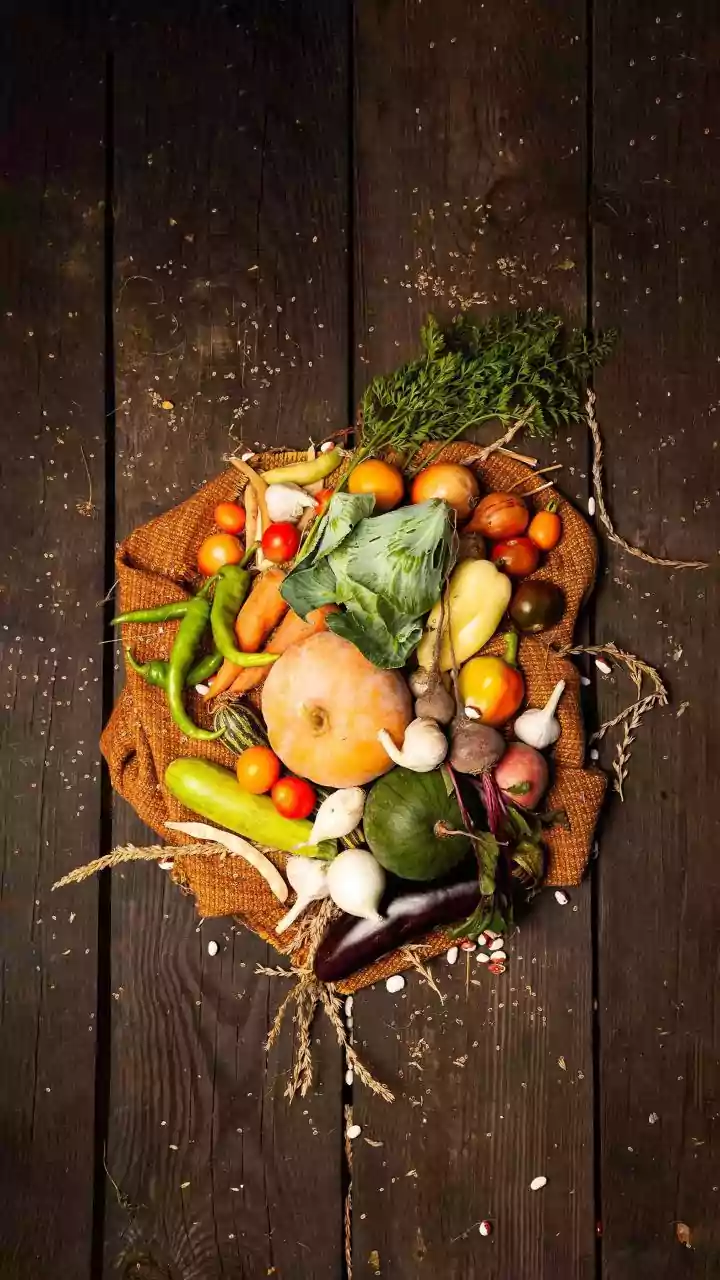
Undhiyu, a mixed vegetable casserole, is a seasonal specialty, particularly popular during the winter months. The name 'Undhiyu' comes from 'Undhu', meaning upside down in Gujarati, referring to the traditional cooking method where the dish is cooked in earthen pots, placed upside down underground over a slow fire. This slow cooking allows the vegetables to absorb the flavors of the spices and herbs, creating a harmonious blend. The dish typically includes a variety of seasonal vegetables like potatoes, eggplants, beans, and spinach, cooked with a blend of aromatic spices, often including ginger, garlic, and green chilies. Undhiyu is often served with puri (deep-fried bread) and shrikhand (sweet yogurt), creating a complete and satisfying meal. The labor-intensive cooking method and the use of fresh ingredients make Undhiyu a symbol of Gujarati festive cooking, adding warmth and richness to the culinary tradition.
Thepla: A Staple
Thepla, a versatile flatbread, is a staple in Gujarati households, perfect for breakfast, lunch, or a snack. Made from wheat flour, fenugreek leaves (methi), and spices, it is known for its soft texture and subtle flavor. Thepla is often flavored with various spices, including turmeric, cumin, and coriander, giving it a unique taste. The addition of methi leaves contributes to its slightly bitter flavor, balanced by the savory spices. This flatbread is often cooked on a griddle with a touch of oil, making it pliable and easy to eat. Thepla is often enjoyed with yogurt, pickles, or chutney. Its ease of preparation and portability make it an ideal choice for travel or everyday meals. Thepla is a cornerstone of Gujarati cuisine, reflecting its adaptability and nutritional value, making it a beloved dish for all ages.
Khakhra: The Crispy
Khakhra, a thin, crispy cracker, is a popular snack, known for its long shelf life and satisfying crunch. Made from wheat flour, it is roasted until it turns golden brown. Khakhra is flavored with various spices and herbs, and comes in various flavors like methi, jeera, and masala. The process of making Khakhra involves rolling out the dough very thinly and then dry-roasting it, which gives it its signature crispness. It is often consumed with tea, as a light snack, or as a side with meals. Khakhra provides a satisfying crunch and is a healthier alternative to fried snacks. The simplicity of its ingredients and the ease of preparation make Khakhra an excellent snack choice for busy lifestyles. This simple cracker, a symbol of Gujarati resourcefulness, offers a delightful and flavorful experience.
Dal Dhokli: A Comfort
Dal Dhokli is a comforting and wholesome dish combining lentils (dal) and wheat flour dumplings (dhokli). The dhokli, small pieces of wheat dough, are simmered in a flavorful lentil soup, absorbing the flavors and adding substance to the dish. The dal is typically made with toor dal (split pigeon peas) and spiced with a blend of aromatic spices, including turmeric, cumin, and coriander. The cooking process allows the flavors to meld, creating a satisfying and nourishing meal. The combination of lentils and dumplings provides a balance of protein and carbohydrates, making it a complete meal. Dal Dhokli often includes vegetables like tomatoes and onions, adding texture and flavor. It is a hearty and flavorful dish, often enjoyed during cooler months. This dish showcases the Gujarati ability to create flavorful dishes using simple and accessible ingredients.
Khandvi: The Delicate
Khandvi, a savory snack, is known for its delicate texture and subtle flavors. Made from gram flour (besan) and buttermilk, the batter is cooked and spread thinly, then rolled into bite-sized pieces. The key to the perfect Khandvi is the balance between the batter consistency and the cooking time, which is very important to get the best texture. The roll is then tempered with mustard seeds, curry leaves, and other spices. The delicate rolls are soft, flavorful, and visually appealing. Khandvi is often garnished with grated coconut and chopped coriander, adding a fresh element to the savory snack. This dish is usually served as a snack or appetizer, and it is a delightful example of Gujarati culinary artistry. Its preparation requires precision, and the result is a light, flavorful treat that showcases the attention to detail in Gujarati cuisine.
Handvo: The Savory
Handvo, a savory cake, is a versatile dish made from a mixture of lentils, rice, and vegetables. The batter is fermented, then baked or cooked on a griddle until golden brown and crispy on the outside. The mix often includes bottle gourd, carrots, and other vegetables. It's often flavored with spices, green chilies, and ginger. Handvo offers a delightful combination of textures, with a soft interior and a crisp exterior. The slow cooking process allows the flavors to meld together, creating a unique and delicious taste. The cake is then tempered with mustard seeds and curry leaves. Handvo is a filling and satisfying meal, often served with chutney or yogurt. This dish demonstrates the creative approach of Gujarati cooking to combine grains, legumes, and vegetables into one delicious offering.
Lilva Kachori: The Seasonal
Lilva Kachori is a seasonal snack, especially popular during winter when fresh green pigeon peas (lilva) are in season. The kachori, a deep-fried pastry, is filled with a flavorful mixture of green pigeon peas, spices, and herbs. The filling is usually spiced with ginger, green chilies, and garam masala, giving it a distinctive taste. The dough is made from all-purpose flour and spices, which makes the exterior crispy and golden brown. The contrast between the crispy shell and the flavorful filling makes it a truly amazing snack. Lilva Kachori is a delicious and flavorful snack, perfect for enjoying during the festive season. This dish is a seasonal favorite, highlighting the Gujarati culinary preference for using fresh, local ingredients, and turning them into amazing dishes.
Basundi: The Sweet
Basundi, a rich and creamy dessert, is a sweet treat often enjoyed during festive occasions. Made by simmering milk until it thickens and reduces, it is then flavored with sugar, cardamom, and nuts. The slow cooking process concentrates the flavors of the milk, making it rich and delicious. Saffron and nuts like almonds and pistachios add an amazing texture and visual appeal. Basundi can be served hot or cold and is often paired with puri. This dessert represents the Gujarati love for sweets and their ability to create decadent treats using simple ingredients. Basundi's smooth texture and rich flavor provide the perfect end to a Gujarati meal. It’s a classic example of how Gujarat’s culinary traditions elevate simple ingredients into an amazing dessert.