


Cooking's Role in Protein
Protein is fundamental to our diet, yet its ultimate benefit isn't solely determined by consumption quantity but by how effectively our bodies can utilize
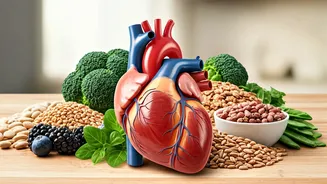
it. The journey from plate to cells is heavily influenced by preparation techniques. Simple acts like soaking, sprouting, or boiling can drastically alter the nutritional accessibility of protein-rich foods. This means that even the most nutritious ingredients, such as chickpeas or kidney beans, might not deliver their full potential if not prepared correctly. Understanding these nuances allows for optimized nutrient absorption, leading to improved digestion, sustained energy levels, and enhanced overall bodily functions without needing to overhaul your entire grocery list. A few smart adjustments in how you cook can unlock a much greater health payoff from your regular meals, making your diet more impactful for well-being.
Legume Preparation Insights
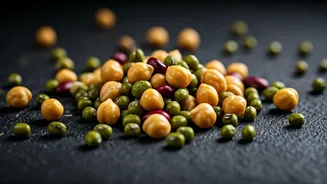
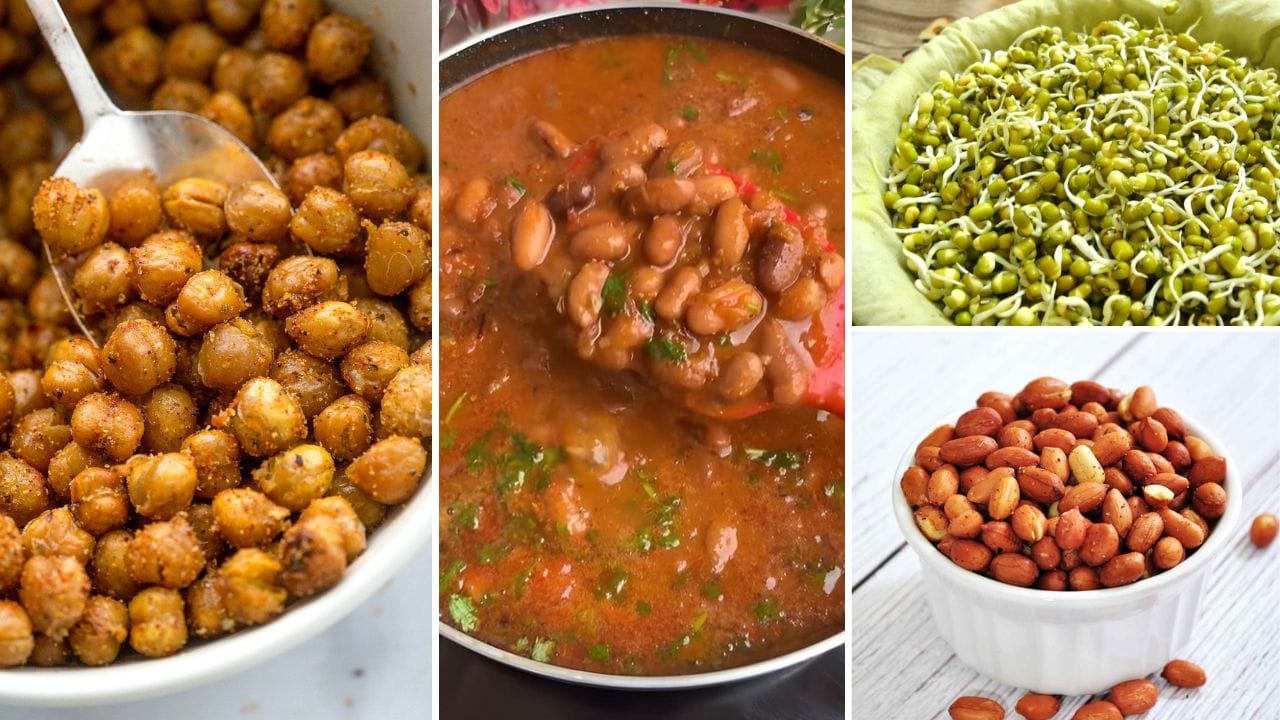
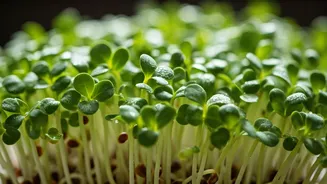
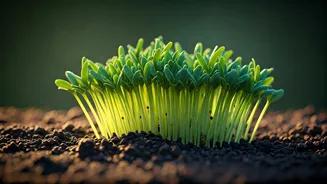
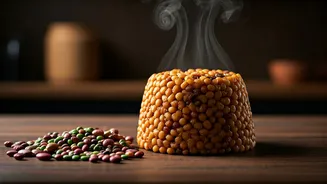
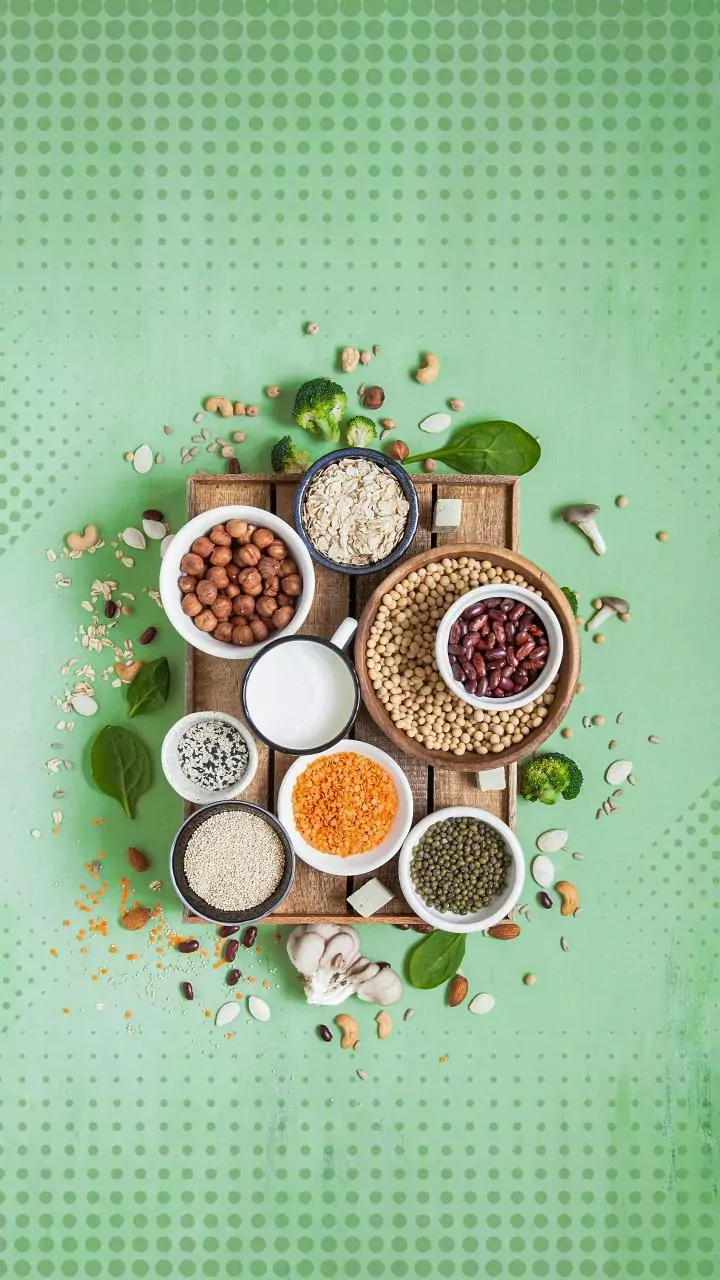
When it comes to chickpeas, their preparation is key to digestibility. While sprouting might seem like a lighter option, it can cause bloating for some individuals, making them less suitable universally. Boiling chickpeas, however, is a consistently effective method that softens them, thereby promoting easier digestion and better nutrient absorption. Frying them, conversely, introduces unhealthy fats and diminishes the overall nutritional advantages. For rajma, thorough boiling is crucial; sprouting is generally not advised as it leaves certain compounds intact that can cause digestive distress. Boiling breaks these down, making rajma safer and more bioavailable. Fried rajma, much like fried chickpeas, becomes heavy and hinders digestion. Green gram, conversely, is highly adaptable. Sprouted green gram is renowned for being light and easy to digest, supporting superior nutrient utilization, making it a favored choice. Boiling is also acceptable, though it might slightly compromise some nutritional benefits. Frying offers minimal health advantages and is discouraged when optimal nutrition is the goal. Similarly, black chana responds well to boiling or sprouting, both of which aid digestion and enhance protein utilization. Frying tends to make black chana dense and challenging for the system to process.
Nuts and Seeds Optimized
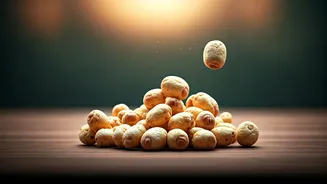
Peanuts are at their best when roasted. This preparation method not only enhances their appealing flavor but also ensures they remain relatively easy to digest. Overindulging in oily preparations or deep-frying peanuts can render them heavy on the stomach and significantly reduce their nutritional value, particularly if consumed frequently as part of your daily intake. For soybeans and horse gram, boiling emerges as the most beneficial cooking method. This process is essential for softening their typically tough structures, which in turn greatly improves their digestibility. Ensuring these particular legumes are cooked thoroughly guarantees that they retain their rich nutritional profile while remaining gentle on the digestive system. Ultimately, by making informed choices about how you prepare these common protein sources, you can dramatically improve your body's ability to absorb essential nutrients, leading to a lighter, more balanced digestive experience and better overall health.