



Wartime Rice Crisis
During the tumultuous period of World War II, a significant disruption occurred in India's rice supply chain. The Japanese occupation of Burma, a primary
source of rice imports for India, effectively choked off this vital trade route. Compounding the issue, the prevailing British administration prioritized the allocation of remaining rice stocks to support European troops and wartime necessities, leaving South India, a region where rice is a fundamental dietary component, in a state of severe shortage. This scarcity forced many food establishments to innovate or face closure, creating an environment ripe for culinary reimagining. The very fabric of daily meals was threatened, prompting a desperate search for alternatives to the staple grain that sustained millions.
Bengaluru's Culinary Spark
In the heart of Bengaluru, a modest family-run establishment then known as the Brahmin Coffee Club, and later christened Mavalli Tiffin Rooms (MTR), found itself grappling with this very crisis. Established in 1924, the eatery had meticulously cultivated a reputation for serving authentic South Indian delicacies, with rice-based preparations forming the cornerstone of its menu. The escalating rice scarcity presented an existential threat to their business, pushing the resourceful owners to explore uncharted culinary territory. This was a pivotal moment where tradition met necessity, setting the stage for an invention that would redefine South Indian breakfast culture and become a symbol of resilience.
The Semolina Experiment
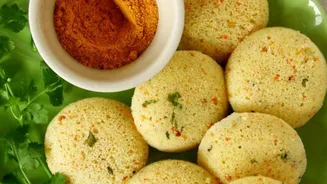
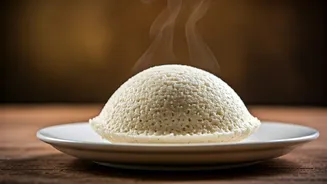
Faced with an extreme dearth of rice, the forward-thinking proprietors of MTR ingeniously turned to semolina, locally known as 'rava,' as a viable substitute. Their innovative approach involved combining semolina with curd, tempering the mixture in ghee with aromatic mustard seeds and crunchy roasted cashews, and then steaming it, closely mimicking the traditional idli preparation method. The outcome of this experiment was a revelation: a light, delicately flavored idli with a subtly nutty undertone and a distinct, pleasing texture. This Rava Idli, born out of sheer necessity, quickly garnered widespread acclaim and evolved into a signature offering, showcasing the power of creative problem-solving in the face of adversity.
MTR's Lasting Legacy
The Rava Idli not only became a triumphant response to wartime shortages but also cemented MTR's position as a cornerstone of Bengaluru's culinary landscape. Over the years, the establishment continued to champion hygienic dining standards and even developed convenient packaged mixes during India's Emergency period, further solidifying its innovative spirit. The Rava Idli, however, remained a potent symbol of how culinary ingenuity can transform scarcity into abundance. Its popularity transcended regional boundaries, becoming a cherished breakfast item found in homes and restaurants across the globe, a testament to its enduring appeal and historical significance.