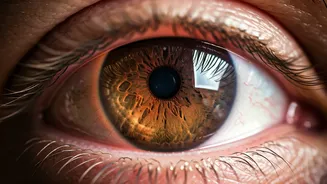

What is Glaucoma?
Glaucoma, a condition often associated with elevated eye pressure, damages the optic nerve, which is essential for transmitting visual information from
the eye to the brain. This damage can result in vision loss, starting with peripheral vision and, if left untreated, progressing to complete blindness. Several factors contribute to glaucoma, including age, family history, and certain medical conditions. Regular eye examinations are crucial, especially for those over the age of 40 or with a family history of glaucoma. Early detection and treatment can significantly slow or halt the progression of the disease and preserve vision. There are different types of glaucoma, with open-angle glaucoma being the most common. Other types, such as angle-closure glaucoma, require immediate medical attention due to their rapid onset and potential for severe vision loss.
Peripheral Vision Diminishment
One of the earliest and most subtle signs of glaucoma is often a loss of peripheral vision. This means you might start missing things at the edges of your vision. Another potential sign involves noticing blind spots or dark patches in your vision. These blind spots can be small and initially go unnoticed, gradually expanding over time. The onset of these changes is often so slow that individuals fail to recognize the problem. Regular eye examinations can detect these subtle changes before they become more pronounced. Furthermore, these vision changes may not always be noticeable, particularly in the early stages of the disease.
Strain and Headaches?
While not always direct indicators, eye strain and headaches can sometimes be associated with glaucoma. Constant eye strain, particularly after prolonged focus or close-up work, could suggest a problem. Headaches, especially those that are recurrent or worsen over time, may be another sign. However, it's essential to understand that these symptoms are not exclusively linked to glaucoma and can be attributed to other issues, such as needing corrective lenses. It's crucial not to dismiss these symptoms and to consult an eye doctor.
Halos and Urgent Action
The perception of halos or colored rings around lights, especially at night, is a potential warning sign of angle-closure glaucoma, which requires immediate medical attention. This symptom occurs when there is a sudden increase in eye pressure, which can damage the optic nerve. This is a severe form of glaucoma and can lead to permanent vision loss if not treated promptly. If you observe these symptoms, immediately consult an eye care professional.
Redness and Intense Pain
Sudden onset of eye redness, accompanied by intense eye pain, may signal an acute angle-closure glaucoma attack. This condition demands immediate treatment, as it can cause rapid vision loss. This type of glaucoma occurs when the drainage angle of the eye suddenly closes, causing a sharp rise in eye pressure. Seek immediate medical attention if you experience these symptoms.
Regular Eye Examinations
Regular eye exams are essential to detect and diagnose glaucoma early. These exams involve several tests, including measuring eye pressure, examining the optic nerve, and assessing peripheral vision. Early detection enables timely intervention and treatment to slow or stop the progression of glaucoma. It is recommended to schedule regular eye exams, particularly if you are over 40 or have a family history of glaucoma. Consistent monitoring of eye health is essential for maintaining vision and overall well-being.
Treatment Strategies
Various treatment options are available to manage glaucoma. These can include eye drops, laser therapy, and surgery, all aimed at reducing eye pressure and preventing further optic nerve damage. The specific treatment plan will depend on the type and severity of glaucoma and will be customized by an eye doctor. Following the prescribed treatment plan and attending regular follow-up appointments are crucial for effective management. Adhering to the treatment plan and staying compliant with follow-up appointments greatly contributes to managing the condition and preserving vision. Self-management can also play a crucial role.