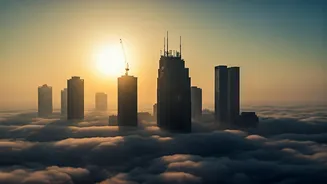









A Smoggy Overview
The Delhi-NCR region is currently facing an extreme air pollution event, where the AQI has surpassed 460 in several areas. This dramatic increase has resulted
in a thick layer of toxic smog blanketing the city, creating hazardous conditions for citizens. The situation has become so critical that the Delhi Pollution Control Committee (DPCC) has been forced to take drastic measures, temporarily shutting down 411 polluting units in an effort to control the environmental damage. This action is a reactive attempt to mitigate the immediate risk of further damage to public health, highlighting the gravity of the ongoing crisis and underscoring the necessity for swift and decisive intervention to address the root causes of the widespread pollution.
Health Implications Worsen
The effects of this hazardous air quality are profoundly impacting the health and well-being of Delhi's residents. Exposure to the intense levels of pollutants can lead to serious respiratory issues, cardiovascular problems, and other detrimental health effects. Children, the elderly, and individuals with existing health conditions are particularly vulnerable to the harmful impacts of the toxic air. It is critical for the public to monitor air quality levels regularly, and to take precautions like wearing masks, limiting outdoor activities, and using air purifiers indoors. These measures can provide some degree of protection against the severe pollution and help mitigate the damage.
Sources of Pollution
Identifying the primary sources of air pollution is crucial to developing effective mitigation strategies. Several factors contribute to the deteriorating air quality in Delhi-NCR. These include vehicular emissions from the large number of vehicles on the road, industrial activities releasing pollutants, construction and demolition dust, and the burning of crop residue in nearby agricultural areas. Seasonal weather patterns, such as temperature inversions, can trap pollutants closer to the ground, exacerbating the problem. Understanding these various contributing factors is essential for designing comprehensive policies aimed at reducing emissions and improving air quality over the long term.
Actions and Regulations
In response to the severe pollution crisis, authorities have implemented a number of measures. The DPCC's decision to shut down polluting units is just one example of the immediate actions being taken. Other measures may include restrictions on certain types of vehicles, enhanced monitoring of pollution sources, and increased public awareness campaigns to educate residents about the risks and preventive steps. Regulatory frameworks, such as the implementation of stricter emission standards and policies to promote cleaner technologies, are also essential for long-term sustainability. The effectiveness of these interventions depends on stringent enforcement and the cooperation of various stakeholders to curb pollution at its sources.
Looking Ahead
The ongoing air pollution crisis in Delhi-NCR requires a comprehensive and sustained approach to improve air quality and protect public health. This involves a collaborative effort among government bodies, industries, and citizens. Investments in renewable energy sources, the adoption of sustainable practices in industrial and construction sectors, and the promotion of public transportation are all vital. Regular public engagement and transparent reporting on pollution levels are crucial to fostering a sense of collective responsibility towards environmental protection. The objective is to create a healthier, more sustainable environment for present and future generations.