





A Sweet Origin Story
French pralines, a beloved confection, owe their existence to a 17th-century French chef named Clement Lassagne, who first coated almonds in sugar to create
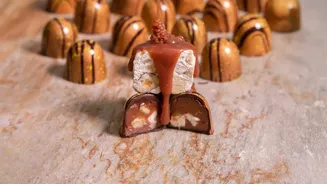
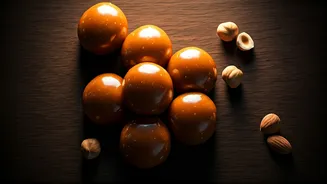
this now-famous treat. While the name 'praline' is linked to a French diplomat, Marshal du Plessis-Praslin, he was not involved in its invention. This crunchy delight, characterized by the marriage of caramelized sugar and nuts like almonds or hazelnuts, has transcended its French roots to become a globally cherished sweet. Its enduring popularity stems from its rich flavor profile and satisfying texture, making it a perfect standalone indulgence or a sophisticated addition to desserts.
Crafting Pralines at Home
Embarking on the journey of creating traditional French pralines in your own kitchen is surprisingly straightforward, requiring only a handful of basic ingredients: sugar, water, and your choice of nuts, typically almonds or hazelnuts. The process begins by gently heating sugar and water together until they achieve a syrup-like consistency. Next, introduce your chosen nuts into the simmering syrup, ensuring each one is thoroughly coated in the bubbling caramel. Once coated, spread the mixture onto parchment paper to cool completely, allowing the caramel to harden before breaking the entire sheet into individual, delectable praline pieces. This home-based method offers the delightful advantage of customizing the sweetness level and exploring various nut combinations to suit your personal preference.
Beyond Simple Snacking
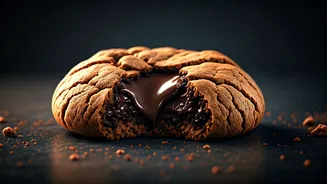
The culinary applications of French pralines extend far beyond their delightful role as a standalone snack. Their crushed form serves as an exceptional textural and flavorful topping for a wide array of desserts, including cakes, pastries, and ice creams, adding a delightful crunch and rich, nutty undertones. In the realm of baking, incorporating finely chopped pralines into cookie dough or pastry batters introduces an extra dimension of complexity and irresistible flavor. This inherent versatility makes French pralines an invaluable ingredient for both accomplished professional chefs and enthusiastic home bakers seeking to enhance their creations with a touch of gourmet flair.
Preserving Praline Perfection
To ensure that your freshly made or store-bought French pralines retain their delightful crunch and flavor for an extended period, proper storage is essential. It is recommended to keep them in a securely sealed, airtight container at ambient room temperature. Crucially, these sweet confections should be shielded from direct sunlight and excessive humidity, as these conditions can lead to melting or a undesirable softening of their texture. For those who wish to prolong their shelf life even further, refrigeration is an option. However, it is important to be aware that refrigerating pralines may subtly alter their texture over time, so consume them promptly after bringing them back to room temperature.