





Harmonizing Lamp Styles
Achieving a unified aesthetic begins with selecting lamps that speak the same design language. When pairing a floor lamp with a table lamp, pay close attention
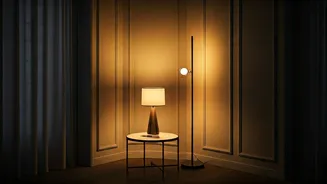
to their stylistic similarities. Think about common threads in their materials, such as brushed nickel or warm wood, and how their shapes and colors interact. For instance, a table lamp with a minimalist, geometric base would find a perfect companion in a floor lamp that echoes those clean lines and a similar material palette. This thoughtful coordination prevents lamps from clashing and instead encourages them to act as complementary pieces, enhancing the overall visual flow of the room. The goal is for them to feel like a deliberate part of your decor, rather than disparate additions.
Balancing Lamp Heights
The interplay of lamp heights is crucial for creating dynamic visual interest and ensuring well-distributed light. Imagine a room where all light sources are at the same level; it can feel rather flat. By strategically placing taller floor lamps alongside shorter table lamps, you establish varied light planes. This not only casts illumination at different levels, catering to diverse needs from overhead task lighting to softer ambient glows near the floor, but also adds a sense of depth and dimension to your interior. This balance prevents the lighting from feeling monotonous and contributes to a more inviting and functional atmosphere. It's about creating a visual rhythm with light that guides the eye and enhances the perception of space.
Coordinating Lamp Finishes
The finish of your lamps plays a significant role in tying your lighting elements together seamlessly. When selecting a floor lamp and a table lamp, aim for finishes that share a commonality, whether it's the same metallic tone, a similar texture, or a complementary color. For example, if your table lamp features a polished brass base, seeking a floor lamp with a similar warm, golden hue can create a sophisticated connection. This consistency in finish acts as a subtle anchor, making both pieces feel intentionally chosen and harmoniously integrated into your overall design scheme. It’s about creating a cohesive look where the lamps feel like a natural extension of the room's curated style, rather than standalone items.
Strategic Placement Strategies
Effective lamp placement is the cornerstone of achieving both aesthetic appeal and practical illumination. Think about the specific functions each lamp will serve and where that functionality is most needed. Table lamps are ideally positioned on side tables next to seating areas, on consoles, or on desks, providing targeted light for reading, hobbies, or focused work. Conversely, floor lamps excel in illuminating larger spaces, such as corners, nooks, or beside sofas, offering ambient light that softens the overall mood of the room. This intentional arrangement ensures that light is available where you need it most, while also contributing to a balanced and inviting lighting scheme that enhances the room's layout and ambiance.
Layering Light Sources
The art of layering light, especially by combining floor and table lamps, unlocks incredible versatility for your home's ambiance. By utilizing dimmable bulbs in both types of fixtures, you gain the power to adjust the intensity of light, tailoring it perfectly to the moment. Whether you're seeking a cozy, subdued atmosphere for a relaxing evening, or a bright, focused environment for productive tasks like studying or crafting, layered lighting provides the solution. This adaptability means your space can effortlessly transition to suit various activities and moods, all while maintaining a cohesive and stylishly illuminated aesthetic. It’s about creating a dynamic lighting experience that responds to your lifestyle.