






Ancient Roots of Binding
The practice of handfasting in Romanian weddings traces back through centuries, where it served as more than just a symbolic gesture; it was a legally
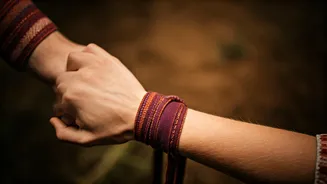
recognized contract between a couple. In times past, this ritual was a tangible representation of the vows exchanged, with the physical act of binding the couple's hands signifying an unbreakable bond. It was believed that the union was cemented until the knots were intentionally undone or severed, underscoring a profound emphasis on unwavering loyalty and steadfast mutual support. This deeply ingrained tradition laid the foundation for a strong partnership, emphasizing interdependence and shared destinies from the very beginning of their marital journey.
Symbolism of Unity
Within the fabric of Romanian culture, handfasting is a powerful emblem of marital unity and the inherent strength found in partnership. The very act of intertwining and binding the hands visually communicates the essential principle that a married couple must function as a single, cohesive entity. This ritual also underscores the crucial element of trust, as it highlights how both individuals must place their faith in each other, relying on one another to navigate and overcome the inevitable challenges that life presents. Furthermore, the specific knots employed in this ceremony are often imbued with distinct meanings, each representing unique facets of love, commitment, and the enduring partnership the couple aspires to build together.
Modern Adaptations
While the traditional form of Romanian wedding handfasting retains its cherished status, contemporary ceremonies have embraced innovative and personalized interpretations of this age-old ritual. Many couples today choose to incorporate decorative cords or ribbons, often selected to complement their wedding's color palette or overall theme, adding a touch of modern aesthetic. Others opt to infuse the handfasting with deeply personal elements, such as incorporating small charms or tokens that carry significant individual or shared meaning for the couple, further personalizing this sacred union. These adaptations allow the tradition to resonate with the unique identities and journeys of each couple, blending historical significance with personal expression.
Making it Meaningful
For couples considering integrating handfasting into their wedding, ensuring its profound meaning is paramount. Selecting materials for the binding that genuinely reflect the couple's personalities and shared values can significantly enhance the ritual's impact. Involving cherished family members by having them participate in tying the knots adds a layer of communal blessing and strengthens familial bonds. During the vows, openly sharing the symbolic meaning behind each knot with guests can deepen their understanding and appreciation of the ceremony. Finally, practicing the handfasting ritual beforehand ensures that all participants, including the couple and any officiants or family members involved, are comfortable and familiar with the sequence of events, leading to a more heartfelt and seamless execution on the wedding day.