




Temple's Majestic Location
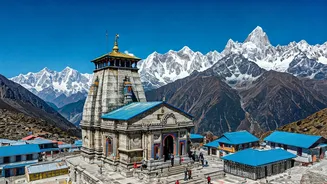
Tungnath Temple, perched at an altitude of 3,680 meters (12,073 feet), proudly claims the title of the world's highest Shiva temple. It's an integral part
of the Panch Kedar temples, a sacred circuit dedicated to Lord Shiva in the Garhwal Himalayas of Uttarakhand, India. This remote location offers breathtaking panoramic views of the surrounding Himalayan peaks. The journey to Tungnath is an adventure in itself, typically involving a trek, allowing visitors to immerse themselves in the natural beauty of the region and experience a sense of tranquility. The temple's isolation enhances its spiritual aura, attracting pilgrims and adventure enthusiasts alike. The surrounding landscape, with its lush greenery and snow-capped mountains, adds to the temple's mystique, creating a truly unforgettable experience. This temple, deeply rooted in Hindu mythology, holds significant reverence among devotees of Lord Shiva.
Mythological Significance Unveiled
The Tungnath Temple is steeped in Hindu mythology, particularly the tales associated with Lord Shiva. According to legend, the Panch Kedar temples are linked to the Pandavas from the epic Mahabharata. After the Kurukshetra war, the Pandavas sought redemption for their sins and searched for Lord Shiva. Shiva, unwilling to grant them darshan, hid in the form of a bull. Each part of the bull appeared at different locations: the hump at Kedarnath, the arms at Tungnath, the face at Rudranath, the navel at Madhyamaheshwar, and the hair at Kalpeshwar. The Tungnath Temple is where Shiva’s arms were found, making it a crucial pilgrimage site. This mythological connection adds to the temple's spiritual importance, making it more than just a place of worship but a location where history and faith converge. This reverence attracts countless devotees who come to pay their respects and seek blessings. The sanctity of the place is further enhanced by the legends surrounding it.
Reaching Tungnath Temple
Reaching Tungnath Temple involves a trek that begins from Chopta, a base camp in Uttarakhand. Chopta is well-connected by road, approximately 200 kilometers from Rishikesh and 450 kilometers from Delhi. From Chopta, the trek to Tungnath is about 3.5 to 4 kilometers and typically takes 2-3 hours to complete. The trek is considered moderately challenging, winding through scenic trails and offering stunning views. The path is well-marked, but proper footwear and adequate preparation are essential. While the trek is the primary way to reach the temple, ponies and palanquins are available for those who prefer not to walk. The journey offers a chance to experience the natural beauty of the Himalayas, with lush meadows, dense forests, and panoramic views of the snow-capped peaks. The best months to undertake the trek are from May to October, as the weather is most favorable during these months.
Best Time to Visit
The ideal time to visit Tungnath Temple is during the months of May to October. During these months, the weather is most favorable for trekking and sightseeing. The temperature during the day is pleasant, and the skies are clear, offering breathtaking views of the surrounding mountains. However, the temple is closed during the winter months (November to April) due to heavy snowfall. During the monsoon season, from late June to August, the trek can be challenging due to rain and slippery conditions. Therefore, it's essential to plan your visit accordingly. The temple usually reopens in May after the snow melts, allowing pilgrims and tourists to resume their journey. Before planning your trip, it is wise to check weather forecasts and travel advisories for safety.
Nearby Attractions to Explore
Besides the Tungnath Temple, several other attractions enhance the experience of visiting the region. Chandrashila Peak, located just above Tungnath, offers a panoramic view of the Himalayan range. The trek to Chandrashila is an additional 1-2 kilometers from the temple and is highly recommended for its breathtaking vistas. Deoria Tal, a picturesque lake known for reflecting the Chaukhamba peak, is another nearby destination. Chopta, the base camp for Tungnath, offers several camping options and scenic trails for nature walks. Exploring these areas offers a more holistic view of the region, allowing visitors to indulge in the natural beauty and spiritual atmosphere. Engaging in these activities provides a fuller understanding of the region's geographical beauty. Planning to visit these locations can add considerable value to the overall travel experience.
Travel Tips and Insights
Planning a visit to Tungnath Temple requires some preparation. Since the temple is situated at a high altitude, it’s advisable to acclimatize to the environment before starting the trek. Carry essential items such as warm clothing, sturdy trekking shoes, and rain gear, especially if you're traveling during the monsoon season. Basic medical supplies and a first-aid kit are also recommended. Ensure you have sufficient water and snacks, as there are limited options on the trekking route. Accommodation options near Chopta range from budget-friendly guesthouses to campsites. Prior booking, especially during peak season, is advisable. Respect local customs and traditions, and maintain the cleanliness of the area. Be mindful of the environment and avoid littering. With careful planning and preparation, a journey to Tungnath Temple can be a rewarding spiritual and adventurous experience.