

Container Choice Matters
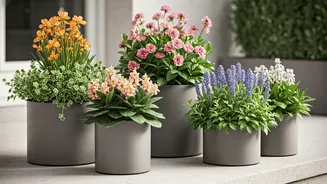
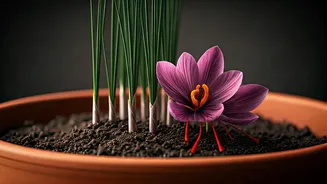
Embarking on your indoor saffron journey begins with selecting the right vessel. Aim for a container at least six inches deep, providing ample space for the saffron corms
to develop and establish robust root systems. Crucially, ensure your chosen pot features adequate drainage holes. This prevents the dreaded waterlogging, a common culprit in root damage and fungal issues that can decimate your precious plants. Terracotta pots are particularly well-suited for this purpose, as their porous nature allows for beneficial air circulation and helps maintain a consistent moisture level without becoming overly saturated, creating an environment where your saffron can truly thrive.
Ideal Soil Mix
The foundation of healthy saffron growth lies in its soil. To cultivate this valuable spice indoors, it's imperative to create a well-draining yet moisture-retentive soil blend. A winning combination involves mixing equal parts of standard potting soil, coarse sand, and perlite. This tripartite approach guarantees that excess water can escape efficiently, preventing the anaerobic conditions that lead to corm rot, while still retaining sufficient hydration to support the plant's needs. Steer clear of heavy, clay-rich soils, as these are prone to holding too much moisture and can be detrimental to saffron's delicate root structure.
Light Requirements
Saffron plants are sun-worshippers, even when cultivated indoors. To ensure vigorous growth and eventual blooming, position your saffron container in a location that receives at least six hours of direct sunlight daily. The ideal spot is typically near a south-facing window, which naturally offers the most intense and prolonged sun exposure. If your home lacks sufficient natural light, don't despair. Investing in a quality grow light system can effectively supplement or replace natural sunlight, providing the consistent illumination your saffron needs to flourish and produce those coveted crimson stigmas.
Watering Wisely
Mastering the art of watering is a critical skill for successful indoor saffron cultivation. The key principle is to water sparingly. Allow the top inch of the soil to dry out completely between waterings. Overwatering is a significant risk and can lead to root rot, so it's essential to avoid keeping the soil constantly saturated. Your watering frequency will need to be adjusted based on ambient environmental factors such as the humidity levels in your home and the prevailing temperature. Monitoring the soil's moisture content is far more reliable than adhering to a rigid schedule.
Climate Control
Saffron plants exhibit a distinct preference for cooler temperatures, thriving best when the environment hovers between 60 and 70 degrees Fahrenheit (15 to 21 degrees Celsius). Equally important is maintaining low humidity levels, as high moisture in the air can be detrimental. To achieve these optimal conditions, carefully consider the placement of your saffron. Avoid areas near heat vents, radiators, or air conditioning units, which can create drastic temperature swings and excessively dry out the air. Employing a hygrometer to precisely measure humidity and temperature will help you maintain the stable, ideal environment that your saffron requires for peak growth and saffron stigma production.