


Washing: Too Much or Too Little
Striking the right balance with hair washing is crucial during summer. Over-washing can strip away the natural oils essential for keeping hair soft and
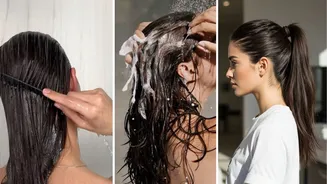
resilient, leaving it parched and prone to damage. Conversely, neglecting to wash for extended periods allows sweat and oil to accumulate on the scalp. This buildup can clog follicles and irritate the skin. A sensible approach for most individuals involves shampooing two to three times weekly, which helps maintain scalp health and hair manageability without causing excessive dryness or buildup during the warmer months.
Hairstyles Under Pressure
The allure of sleek, tightly pulled hairstyles like high ponytails, buns, and braids can be strong, but they pose a significant risk to your hair's health in the summer. The constant tension exerted on the hair roots, especially when the scalp is already slick with sweat, can lead to breakage and even hair thinning over time. Furthermore, the use of plastic hair ties can exacerbate friction, causing further damage. Opting for softer accessories, such as fabric scrunchies or silk ties, offers a gentler alternative that minimizes stress on your delicate strands and scalp.
Sun Protection Neglect
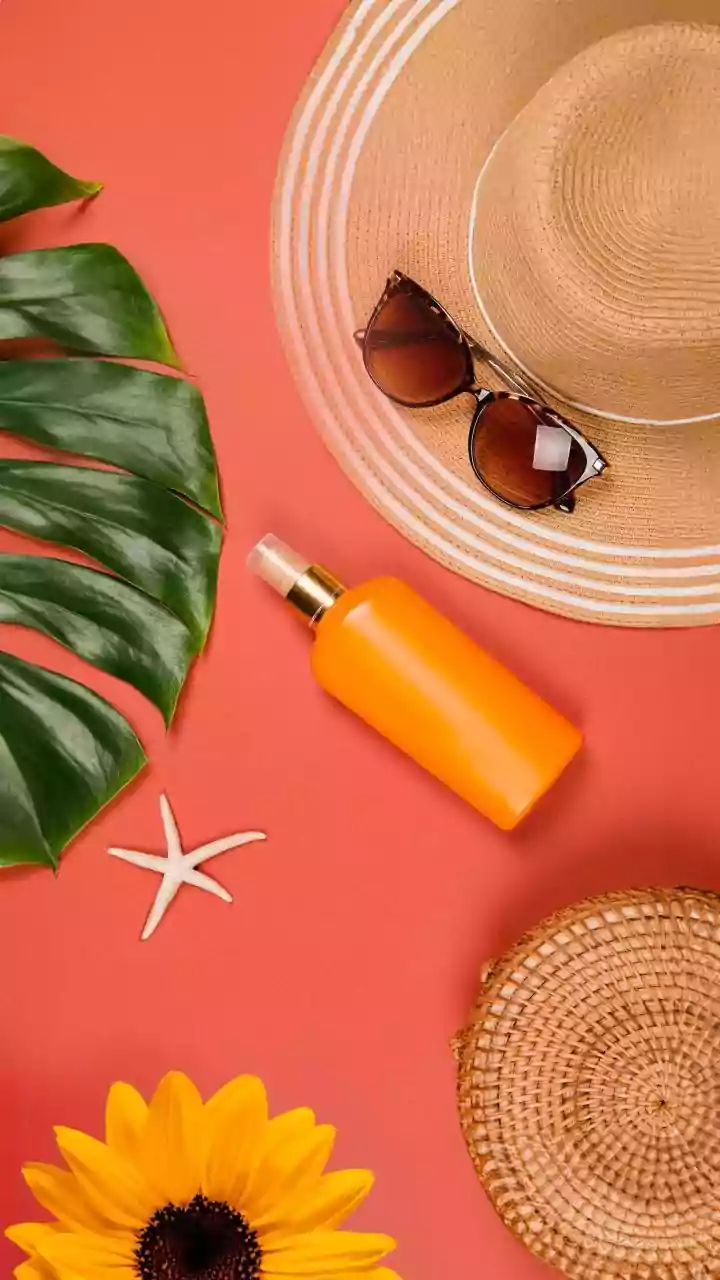
While diligent sunscreen application for the skin is a summer priority, many forget that their hair and scalp also require protection from the sun's harsh ultraviolet rays. Prolonged exposure to UV radiation can degrade the hair's protein structure, leading to dryness, brittleness, and a loss of vibrancy, particularly for color-treated hair. To shield your locks, consider wearing a wide-brimmed hat or a stylish scarf when outdoors for extended periods. Additionally, specialized UV-protective hair sprays can provide an extra layer of defense against sun-induced damage.
Heat Styling Overload
The temptation to maintain polished hairstyles often leads to frequent heat styling, such as using straighteners and blow-dryers. During summer, this practice intensifies hair's exposure to heat, as it's already contending with high ambient temperatures. This dual heat assault can severely dehydrate hair, resulting in frizz, split ends, and a general lack of vitality. To mitigate this damage, embrace air-drying your hair whenever possible. This allows your strands to recover and retain essential moisture, promoting a healthier appearance.
Pre-Swim Preparation
Jumping into a swimming pool or the ocean without preparing your hair can lead to significant damage. Dry hair acts like a sponge, readily absorbing chlorine from pools and salt from seawater. This absorption leaves hair feeling rough, dehydrated, and brittle after your swim. To counteract this, a simple yet effective strategy is to wet your hair thoroughly with clean, fresh water before entering the water. This saturates the hair, creating a protective barrier that limits the amount of chlorine or salt water it can absorb.
Heavy Oils Dilemma
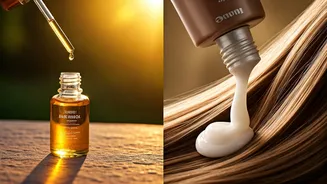
During the humid summer months, applying heavy oils or layering multiple hair products can inadvertently trap sweat and heat against your scalp. This can lead to discomfort, itching, and in some cases, trigger scalp irritation or breakouts. It's advisable to opt for lighter formulations during this season. If using oils, choose lightweight varieties and apply them sparingly, focusing on the ends of the hair rather than saturating the scalp. This ensures your hair remains nourished without the added burden of trapped moisture and heat.
Trimming Lapses
The tips of your hair are particularly vulnerable to the harsh conditions of hot weather, making them more prone to dryness and splitting. If you consistently postpone getting regular trims, existing damage at the ends can progressively worsen, creeping further up the hair shaft. Scheduling a small trim every few weeks is a proactive measure that helps to remove these damaged ends. This not only prevents further deterioration but also significantly contributes to your hair maintaining a healthier, neater appearance throughout the summer.
Brushing Damp Hair
It's widely known that hair is at its weakest and most elastic when it's wet. This makes it considerably more susceptible to snapping and breakage when subjected to brushing. Vigorously trying to detangle knots with a regular brush after washing or swimming can inflict unnecessary stress and damage. For a gentler approach, consider using a wide-tooth comb. This tool allows you to carefully work through tangles from the ends upwards, minimizing the risk of pulling and snapping your fragile, wet strands.