




Understanding Alcohol's Grip
Alcoholism is a growing concern, often stemming from an attempt to self-medicate stress, anxiety, or emotional turmoil. While it offers a fleeting sense
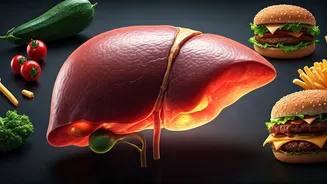
of relief, the long-term consequences are detrimental to physical and mental health. Societal pressures, peer influence, and familial predispositions can also contribute to the development of a drinking habit that escalates into addiction. Ayurveda categorizes alcohol as a 'tamasic' substance, meaning it can disrupt the body's natural balance, negatively impacting immunity, disturbing the vital energies (doshas), particularly Vata and Pitta, and clouding mental clarity. Physically, excessive consumption leads to dehydration, digestive disturbances, liver damage, and nutritional deficiencies, manifesting as headaches and skin issues. Furthermore, chronic alcohol intake can impair cognitive functions and lead to increased irritability.
Kitchen's Healing Power
Your own kitchen can be a treasure trove of remedies to combat alcohol addiction. Acharya Balkrishnaji highlights the efficacy of simple ingredients like ajwain (carom seeds). A potent preparation involves boiling 100 grams of ajwain in one liter of water until it reduces to about 200-300 ml. After filtering, this concentrated ajwain water can be consumed whenever the urge to drink alcohol arises. Regular intake of this concoction is believed to gradually diminish cravings, offering a natural path towards sobriety. This method leverages the inherent properties of ajwain to support the body's natural detoxification processes and reduce dependence.
Herbal Allies for Recovery
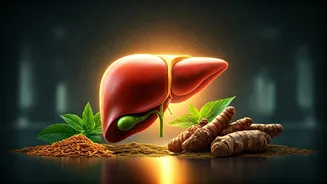
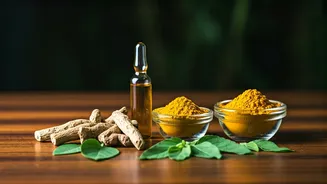
A variety of herbs offer significant support in the journey to overcome alcohol addiction. Tulsi (holy basil) is known for its purifying qualities and its ability to reduce cravings. Amla (Indian gooseberry) aids in liver detoxification and strengthens the immune system. Ginger is beneficial for digestion and helps in flushing out toxins from the body. Ashwagandha is highly effective in managing stress and anxiety, common symptoms during withdrawal. Brahmi promotes mental clarity and helps alleviate emotional distress. For maintaining a healthy liver, herbs like aloe vera, punarnava, and kutki are recommended. Specific formulations can further aid in fighting addiction by reducing cravings, enhancing digestive fire, promoting restful sleep, boosting energy levels, and cleansing the liver.
Nourishing Diet for Healing
Diet plays a crucial role in supporting recovery from alcohol dependence. Incorporating nutrient-rich vegetables such as leafy greens, carrots, and sweet potatoes is vital for liver health and detoxification, while also helping to curb cravings for sugary alcoholic beverages and providing sustained energy. Consuming nuts and seeds can promote a feeling of fullness, thereby reducing the urge to drink. Berries like strawberries and raspberries are rich in amino acids that positively impact brain health and mood. Regular consumption of specific items, packed with essential nutrients like potassium, calcium, zinc, iron, and various vitamins, provides energy lost due to alcohol consumption, calms the nervous system, alleviates anxiety, and aids in sleep.
Lifestyle Shifts for Sobriety
Adopting a balanced lifestyle is paramount in the fight against alcoholism. Practices like yoga and meditation are excellent for relaxation, cleansing the system, and fostering mental clarity. Establishing a consistent daily routine that includes regular meal times, adequate sleep, and dedicated exercise can significantly calm the body and mind. It is also important to identify and understand the triggers that lead to the urge to drink, allowing for proactive avoidance. Recognizing that drinking is not a viable solution to life's challenges is the first step towards embracing Ayurvedic principles and the support offered by traditional remedies to achieve lasting sobriety and improved overall health.