

Powerhouse Quark
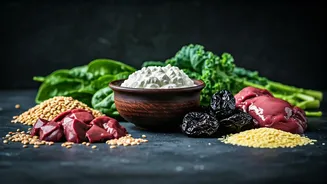
Quark, a creamy dairy product akin to curd, stands out for its exceptional protein content, vital for muscle upkeep and repair, particularly beneficial
for combating age-related muscle loss. It's also a lighter choice, low in calories and fat, aiding in weight management without compromising on essential nutrients. This versatile food promotes gut health thanks to beneficial probiotics, similar to those found in yogurt, which foster a healthy gut flora, enhance nutrient absorption, and keep harmful bacteria in check. Furthermore, quark is a rich source of calcium, crucial for maintaining robust bones and teeth, thereby helping to prevent conditions like osteoporosis. Its nutrient profile makes it an excellent addition to meals for sustained energy and bodily support.
Prunes for Digestion
Prunes offer significant advantages for digestive regularity, owing to their high fiber content and the presence of sorbitol. This natural sugar alcohol aids the intestines in retaining water, acting as a gentle laxative. Beyond digestion, prunes are loaded with polyphenols, powerful plant compounds that function as antioxidants, combating oxidative stress, reducing inflammation, and promoting cellular health. Regular consumption is also linked to improved bone mineral density, offering protection against osteoporosis, especially for postmenopausal women. These fruits also supply essential minerals and vitamins like potassium, magnesium, copper, and Vitamin K, contributing to cardiovascular health, bone strength, and various enzymatic processes. Despite their sweetness, prunes have a low glycemic impact, making them a suitable choice for individuals managing blood sugar levels.
Blackcurrant's Immunity
Blackcurrants are a nutritional powerhouse, boasting a significantly higher Vitamin C content than oranges, which is instrumental in bolstering the immune system, fighting off infections, and promoting collagen synthesis for skin elasticity. This helps prevent issues like scurvy and joint pain. They are also rich in anthocyanins, a type of antioxidant that neutralizes free radicals, reduces oxidative stress, and may lower the risk of chronic diseases affecting the heart and gut. The polyphenols present contribute to vascular health by enhancing blood vessel function and maintaining healthy blood pressure. Additionally, blackcurrants provide potassium, essential for heart muscle function and fluid balance, and dietary fiber, which supports blood sugar control and cholesterol management.
Sprouts' Potent Power
Harvested at their peak growth phase, sprouts deliver a concentrated dose of bioactive compounds that are vital for detoxification and reducing chronic inflammation. Broccoli sprouts, in particular, are rich in glucoraphanin, a precursor that the body converts into sulforaphane. This sulfur-rich compound significantly aids the liver's detoxification processes and exhibits anti-inflammatory properties. Sprouts offer a dense package of vitamins, minerals, and antioxidants in a small, adaptable form, making them easy to incorporate into various dishes. While they can be consumed raw for maximum nutrient benefit, cooking them thoroughly is advised to mitigate the risk of foodborne illnesses. However, individuals who are pregnant, elderly, or immunocompromised should avoid raw sprouts due to increased infection susceptibility.
Liver: Nature's Multivitamin
Often termed 'nature's multivitamin,' liver is exceptionally rich in high-quality protein, iron, and an array of B vitamins, making it a dense source of essential nutrients. Its high levels of Vitamin A and iron are crucial for maintaining good vision, supporting immune function, promoting cell growth, and preventing iron deficiency anemia, a common concern for menstruating women. Liver also provides a concentrated supply of other vital nutrients, including B12, B6, riboflavin, and folate, all of which play key roles in energy metabolism, red blood cell production, and the health of the nervous system. While chicken liver is recommended for its benefits, moderation is advised due to its very high Vitamin A content and purine levels, which can lead to toxicity or exacerbate conditions like gout.
Emmer's Ancient Grain
Emmer, an ancient variety of wheat that still retains its natural seed coat, is a nutritional powerhouse. It offers a rich supply of fiber, vitamins, minerals, antioxidants, and complex carbohydrates. This combination supports healthy digestion, contributes to cardiovascular well-being, and provides sustained energy release, making it a valuable element of a balanced diet. With its pleasant, nutty flavor, emmer can serve as a delicious and healthier alternative to rice or couscous, helping to diversify meals and promote overall metabolic balance and good health. Incorporating emmer into your culinary repertoire is a simple way to enjoy the benefits of an ancient, wholesome grain.
Peas: Humble Heroes
Peas, particularly traditional types like carlin and marrowfat, are an underappreciated source of vital nutrients, offering benefits comparable to well-known legumes. Carlin peas excel in their fiber and plant-based protein content, aiding in healthy digestion, blood sugar regulation, and muscle maintenance, while also being incredibly versatile for snacks and meals. Marrowfat peas provide a similar nutritional profile, adding valuable protein and fiber to the diet, and can be enjoyed in various ways, much like nutrient-dense avocado. These simple legumes, often overlooked, can significantly contribute to a balanced and health-promoting eating pattern, proving that greatness can come in small packages.