



Gear Up for Adventure
Embarking on a riverboarding expedition down the Zambezi River requires meticulous preparation, with specialized equipment being paramount for both enjoyment
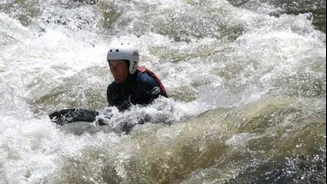
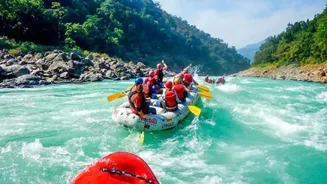
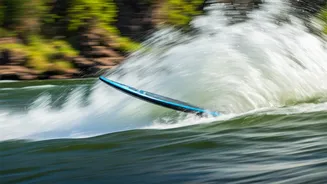
and safety. A robust bodyboard, designed to withstand the rigors of white-water, is your primary vessel. Crucially, it must be equipped with a reliable leash to ensure you remain connected to your board even amidst turbulent currents, preventing it from being swept away. To shield your body from the cool river waters and potential abrasions from submerged rocks, a quality wetsuit is indispensable. Beyond personal comfort and protection, your safety is further augmented by essential protective wear. A sturdy helmet is vital to safeguard your head from impacts, while a well-fitting life jacket guarantees buoyancy should you become separated from your board, offering peace of mind as you tackle the river's challenges. Ensuring each piece of gear is in excellent condition before setting out is non-negotiable for a successful and secure adventure.
Navigating Zambezi's Fury
The Zambezi River is renowned globally for its formidable white-water rapids, presenting a dynamic and exhilarating challenge for riverboarders. These sections of the river are categorized by a grading system, typically ranging from Grade III to Grade V, signifying their varying levels of intensity and technical difficulty. Grade III rapids offer a significant thrill with moderate waves and clear passages, while Grade V represents the apex of difficulty, featuring violent and unpredictable water, large drops, and complex obstacles that demand expert skill and precise maneuvering. A comprehensive understanding of the characteristics of each rapid is not merely about identifying potential hazards; it's about strategizing your approach. Knowing the specific nature of the currents, the placement of submerged rocks, and the most navigable lines through each rapid significantly enhances your ability to plan your ride effectively, thereby improving your chances of a safe and exhilarating descent. This intimate knowledge allows you to anticipate the river's movements and respond with confidence.
Prioritizing Rider Safety
When engaging in the thrilling sport of riverboarding on the Zambezi, the absolute paramount consideration must always be safety. Your designated guides are invaluable resources; they possess an intimate knowledge of the river's ever-changing moods and its safest passages, and their advice should be heeded without question. Prior to any expedition, a thorough inspection of all your equipment is essential to confirm it is in optimal working condition, free from any defects that could compromise its performance. Furthermore, staying attuned to the prevailing weather conditions is critical. Rapidly shifting weather patterns can dramatically alter the river's flow rate and the intensity of its rapids, potentially transforming a manageable ride into a hazardous situation. By adhering to these safety protocols, you significantly mitigate risks and ensure your focus remains on the exhilarating experience of navigating the Zambezi.
The Ideal Season
To maximize the thrill and ensure the safest conditions for riverboarding on the magnificent Zambezi River, timing your adventure is key. The optimal period for this exhilarating activity aligns with the river's low-water season, which generally spans from the latter part of August through to the beginning of January. During these months, the water levels naturally recede, a phenomenon that has a significant impact on the river's character. As the water subsides, more submerged rocks become exposed, creating more challenging and dynamic rapids that are highly sought after by adrenaline enthusiasts. Conversely, the higher water levels experienced during other times of the year can render certain sections of the river too powerful or deep to navigate safely with a riverboard. Therefore, planning your trip within this low-water window offers the most exhilarating and secure riverboarding experience the Zambezi has to offer.