



Manueline Masterpiece: Jeronimos
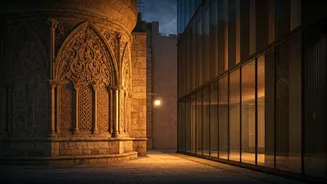
Step back in time at the Jeronimos Monastery, a sublime testament to the Manueline architectural style, a distinctly Portuguese expression of late Gothic
artistry. Erected in the late 15th century, this UNESCO World Heritage site is renowned for its incredibly detailed stonework, often incorporating motifs inspired by the sea and Portugal's Age of Discoveries. The monastery was commissioned to honor Vasco da Gama's groundbreaking voyage to India, and its majestic facades and serene cloisters vividly bring to life that era of exploration and ambition. Wandering through its grounds offers a profound connection to Portugal's golden age, where intricate design meets historical significance.
Iconic Belem Tower
Standing as a powerful emblem of Portugal's seafaring legacy, Belem Tower is another jewel recognized by UNESCO. Constructed in the early 16th century, this historic fortification on the Tagus River masterfully blends Gothic elements with the decorative flair of Manueline design. Its robust structure is adorned with intricate carvings, including battlements and charming watchtowers, reflecting the era's defensive architectural trends. The tower not only boasts impressive aesthetic qualities but also provides unparalleled panoramic vistas of the river, making it a must-see landmark for anyone interested in maritime history and defensive architecture.
Modernist Gulbenkian
Experience the clean aesthetics of modernist architecture at the Calouste Gulbenkian Foundation. This mid-20th-century creation by architect Alberto Pessoa is characterized by its uncluttered lines and thoughtfully designed functional spaces. Beyond its architectural merit, the foundation serves as a repository for an exceptional art collection and is embraced by tranquil gardens. These verdant surroundings offer a peaceful sanctuary from the urban buzz, embodying the design philosophy of simplicity and a harmonious integration with the natural environment. It's a space that balances artistic immersion with serene contemplation.
Green Gem: Eduardo VII
Eduardo VII Park presents a splendid example of modern landscape architecture, offering more than just sweeping views of Lisbon. Conceptualized by landscape architect Goncalo Ribeiro Telles in the 1930s, the park is meticulously structured with geometrically precise hedges and vibrant flowerbeds. This thoughtful design transforms the expansive green space into an inviting area perfect for leisurely strolls or relaxed picnics. Visitors can soak in the breathtaking cityscape from various vantage points, appreciating how urban planning and natural beauty converge to create a remarkable public amenity.
Engineering Marvel: Vasco da Gama
Stretching an impressive 17 kilometers across the Tagus River, the Vasco da Gama Bridge is a monumental feat of contemporary engineering, holding the distinction of being Europe's longest suspension bridge. Inaugurated in 1998 for Expo '98, this colossal structure elegantly connects Lisbon with the Alentejo region to the south. It represents a significant advancement in civil engineering, providing a vital and efficient transportation link. The bridge stands as a powerful testament to innovative design, advanced construction methodologies, and the ambitious spirit of modern infrastructure development.