







Windows Aren't Enough
Many homeowners believe that simply opening windows provides adequate kitchen ventilation, but this often falls short. While natural airflow can help,
it's insufficient to combat the array of pollutants released during cooking. Modern kitchens generate smoke, grease particles, and various aerosols that can linger in the air without a dedicated system. These airborne contaminants, when inhaled regularly, can contribute to a range of respiratory ailments over time. Relying solely on cross-ventilation from open windows may not effectively scrub the air clean, leaving behind invisible threats that impact your well-being and the air quality within your home.
More Than Odors
It's a common misconception that the primary role of kitchen ventilation is merely to eliminate unpleasant cooking smells. While it certainly tackles odors, its function is far more critical for health and home maintenance. These systems are vital for removing excess moisture generated by boiling, steaming, and frying, which can lead to significant issues like mold growth and structural damage if not properly managed. Furthermore, crucial safety is addressed by removing dangerous gases, such as carbon monoxide, which can be produced by gas stoves, thereby preventing potential health hazards and ensuring a safer living environment for everyone.
Fan Diversity Explained
The notion that all exhaust fans perform identically is another myth that needs debunking. In reality, kitchen exhaust fans vary significantly in their effectiveness and design. A key differentiator is their CFM (cubic feet per minute) rating, which indicates the volume of air they can move. Fans with higher CFM values offer superior airflow and are more adept at clearing the air of cooking byproducts. Selecting the appropriate fan, considering your kitchen's dimensions and your typical cooking methods, is essential for ensuring optimal pollutant removal and maintaining a healthy indoor atmosphere.
Small Kitchens Need Air
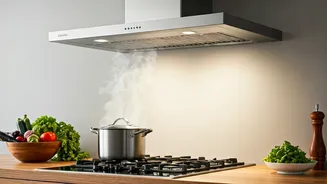
Don't underestimate the ventilation needs of compact kitchens; they are just as susceptible to air quality issues as larger ones. Even though smaller spaces might seem easier to ventilate naturally, they can experience a rapid build-up of cooking fumes and moisture without proper mechanical assistance. Without an effective exhaust system, smoke and grease particles can quickly saturate the air, posing health risks. Installing even a basic ventilation solution, such as a range hood, is a worthwhile investment for improving the air quality and creating a healthier cooking environment in any size kitchen.
Affordable Ventilation Options
The idea that effective kitchen ventilation comes with an exorbitant price tag deters many from investing in this vital home feature. However, a wide spectrum of ventilation solutions exists to fit various budgets. From minimalist under-cabinet range hoods to more sophisticated models equipped with enhanced features like built-in lighting and advanced filtration, homeowners can find suitable options. When considering the long-term advantages of superior indoor air quality, including improved health and a better-preserved home, the initial outlay for a ventilation system often proves to be a wise and beneficial investment.