



What are Primers?
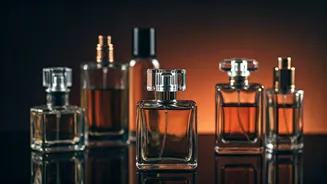
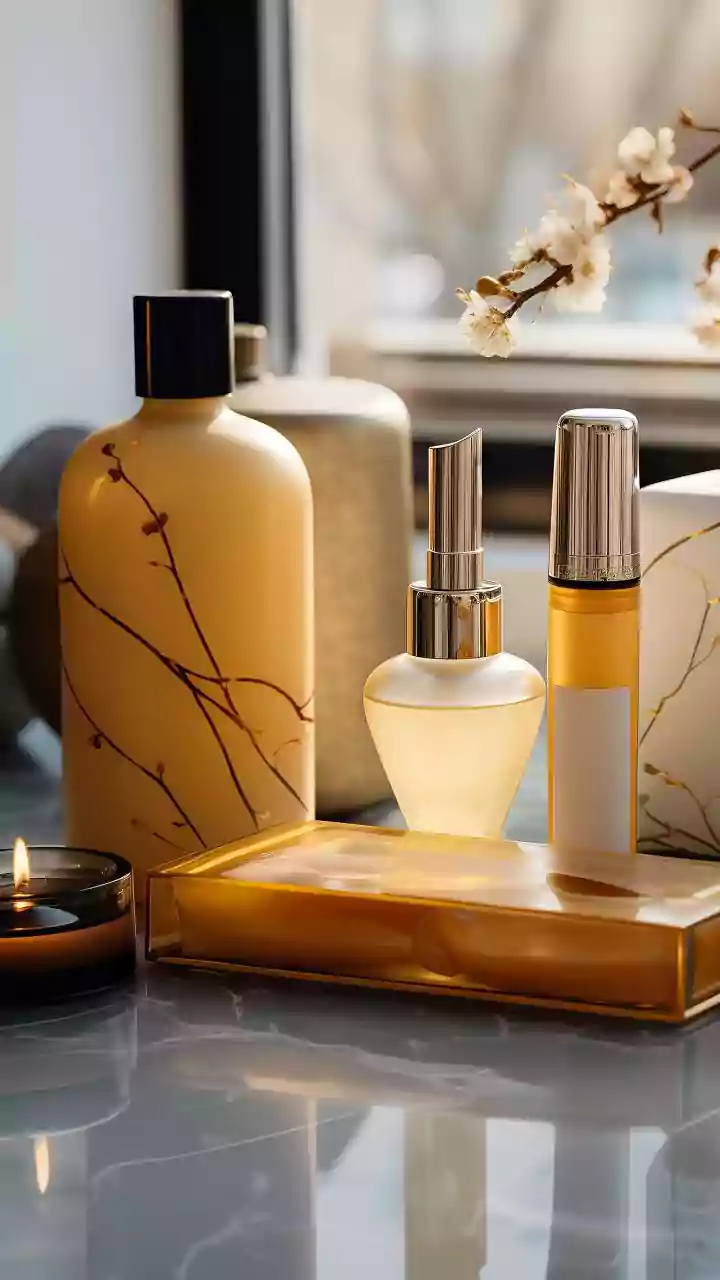
Fragrance primers are a relatively new class of products designed to act as a base for your perfumes. Like makeup primers that smooth the skin for foundation,
fragrance primers aim to create the ideal canvas for your scent to cling to. They typically contain ingredients that help the fragrance molecules bind to the skin, potentially increasing the time the scent lasts. These primers often come in various forms, including sprays, lotions, and balms, each designed to suit different preferences and skin types. The core purpose, however, remains consistent: to help your chosen fragrance linger for longer, giving you the best possible value from your perfume or cologne.
The Science Behind
The effectiveness of fragrance primers hinges on how they interact with your skin and the fragrance itself. Primarily, they are formulated to provide a moisturized base. Dry skin often struggles to retain scents, as fragrance molecules evaporate quickly. By creating a slightly more hydrated environment, primers reduce this rate of evaporation. Furthermore, some primers contain ingredients that act as fixatives, helping to 'anchor' the fragrance molecules to the skin. These fixatives can be natural or synthetic and play a vital role in extending the scent's lifespan. The specific ingredients and formulations vary widely across brands, and it is a key factor in performance. Finally, the interaction between the primer, the skin, and the perfume is complex, leading to different effects based on skin type, climate, and the specific fragrance used.
Benefits Explored
One of the major attractions of fragrance primers is their ability to potentially extend the life of your favorite perfumes. Many users report that their scents last for several more hours, leading to greater value for the money spent on the fragrance. Also, by creating a consistent base, primers might help to enhance the intensity of the perfume. This means a smaller amount of fragrance is needed to achieve the desired effect, further adding to the value proposition. Also, for individuals with sensitive skin, some primers offer the added benefit of being moisturizing. This could help mitigate potential irritation from alcohol-based perfumes. By creating an ideal base, primers make a perfume's performance more predictable. These advantages make primers an attractive addition to the beauty routine, particularly for those who wear fragrance daily.
Are They Essential?
Whether fragrance primers are a necessity truly depends on individual needs and preferences. While the benefits, such as prolonged fragrance, are appealing, primers may not be essential for everyone. Those with naturally oily skin, which tends to retain scents longer, might find that primers are not as impactful. Similarly, if you don't frequently wear perfumes or colognes, or if the longevity of your fragrance is not a major concern, then primers might be an unnecessary purchase. However, for those who value long-lasting fragrances and want to maximize the performance of their scents, a primer can be a valuable addition to their beauty routine. Ultimately, the decision to incorporate a fragrance primer should be based on personal needs, fragrance preferences, and budget considerations.
How to Apply
The application of fragrance primers is typically straightforward. Most primers are applied before the fragrance, ideally onto clean, dry skin. The exact method, though, can differ based on the product's formulation. Lotions and balms should be applied to pulse points, such as the wrists, neck, and behind the ears, then allowed to absorb fully before the fragrance is applied. Spray primers are often applied in a fine mist over these same areas. It is important to wait a few seconds before spraying on the perfume. Some users choose to layer the primer with a similar-scented lotion to further enhance the scent's longevity. This layering method can create a richer, more prolonged fragrance experience. The best way to find out how to apply a fragrance primer is to follow the directions provided by the product manufacturer.




![[WATCH] 'Real Madrid, Ramadan and rest' - Mohammed Siraj how last-minute World Cup call-up changed February plan](https://g-mob.glance-cdn.com/public/fc/image/ByYT_LEmlrD0.webp)