









The Viral Reel
A seemingly simple Instagram reel by Yuvraj Dua, a Delhi-based influencer, unexpectedly ignited a national conversation on health. Dua, in a humorous vein,
addressed Prime Minister Narendra Modi with a unique request centered on his father's dietary habits. He explained that his father, a staunch follower of the Prime Minister, takes his pronouncements very seriously. Therefore, Dua playfully suggested that if PM Modi were to speak against the consumption of sweets during his popular monthly radio address, 'Mann Ki Baat,' it might be the tipping point needed to encourage his father to curb his sugar intake. This charming and relatable appeal quickly resonated with online audiences, gaining significant traction and eventually reaching the Prime Minister himself.
Modi's Public Health Message
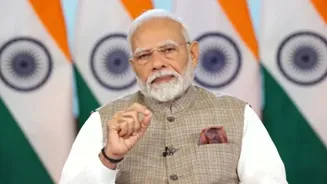
Seizing the opportunity presented by Yuvraj Dua's engaging reel, Prime Minister Narendra Modi utilized his Instagram story to disseminate a crucial public health message. He responded directly to the influencer, extending his advice beyond just Dua's father to encompass all citizens. "On Yuvraj’s request, I urge his father and everyone out there to reduce sugar intake, be healthy and be happy," the Prime Minister stated. He further elaborated on the serious health repercussions linked to excessive sugar consumption, emphasizing the importance of overall well-being. PM Modi advised focusing on healthy eating habits and incorporating physical activity, such as Yoga, into daily routines as effective strategies to combat obesity and maintain fitness. This response effectively leveraged a personal anecdote to address a widespread public health concern.
India's Diabetes Epidemic
The exchange between the influencer and the Prime Minister starkly highlighted India's alarming diabetes burden. The nation grapples with one of the highest diabetes rates globally, a crisis exacerbated by a confluence of factors including genetics, rapid urbanization, sedentary lifestyles, evolving dietary patterns, heightened stress levels, and often delayed diagnoses. Latest estimates from the Indian Council of Medical Research (ICMR) indicate that over 101 million Indians are currently living with diabetes, with an additional 136 million in the pre-diabetic stage. This escalating epidemic poses a significant threat to the country's healthcare infrastructure in the years to come. It is a misconception that diabetes is solely an age-related ailment; recent trends reveal a concerning rise in cases among younger demographics, including children and adolescents, underscoring the pervasive nature of this public health challenge.
Sugar's Insidious Effects
The physiological impact of excessive sugar consumption is profound and multifaceted. When the body is regularly inundated with large quantities of sugar, it leads to recurrent spikes in blood glucose levels. Over time, this chronic overstimulation can foster insulin resistance, a state where the body's cells become less responsive to insulin, a key hormone responsible for regulating blood sugar. This resistance is a primary mechanism contributing to the development of Type 2 diabetes. Beyond metabolic disorders, high sugar intake is strongly correlated with weight gain, as sugary foods and beverages are typically calorie-dense yet nutrient-poor, making it easy to consume excess calories without achieving satiety. Furthermore, research indicates that consistent consumption of sweets and sugary drinks can elevate the risk of developing non-alcoholic fatty liver disease and can contribute to dental caries. Public health bodies, such as the World Health Organization, recommend limiting added sugar to less than 10 percent of total daily caloric intake, ideally striving for under 5 percent for optimal health benefits.
A Hopeful Outlook
Following Prime Minister Modi's public appeal, Yuvraj Dua expressed a blend of amusement and optimism. He shared his hope that the Prime Minister's direct intervention would finally provide the impetus needed for his father to adopt healthier dietary habits. Dua's responsive post, "Now even Modi ji has said it. Papa, please listen," encapsulated the sentiment that a message from a trusted national leader could indeed be a powerful catalyst for personal change. This viral moment, initiated by a simple, relatable plea, underscored the potential for social media engagement to spark meaningful dialogue and drive positive behavioral shifts on a larger scale, particularly concerning critical health issues like sugar consumption and its links to prevalent diseases in India.