




Master Watering
Overwatering is the most common pitfall for cactus enthusiasts, leading to rapid decline. The key to a flourishing cactus lies in allowing its soil to completely
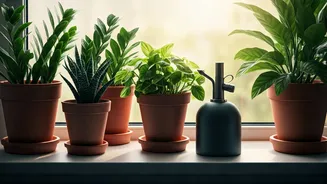
dry out between waterings. This drying period can range from two to three weeks, influenced by ambient humidity and room temperature. When the time comes to hydrate your plant, ensure you thoroughly drench the soil, but be vigilant about preventing any water from pooling at the base of the pot, as stagnant water can foster root rot and compromise your cactus’s health. Proper drainage is paramount, so always choose pots with drainage holes and err on the side of underwatering rather than overwatering.
Soil Essentials
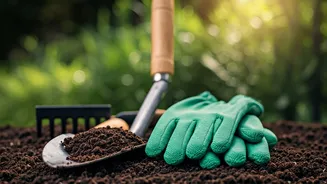
The foundation of a healthy cactus is its soil. Cacti, originating from arid environments, absolutely require a well-draining medium to prevent the detrimental effects of waterlogged roots. Standard potting soil can retain too much moisture, so opt for specialized succulent and cactus mixes. Alternatively, you can create your own effective blend by incorporating coarse sand or perlite into regular potting soil. This mixture ensures excess water can escape freely, while still retaining enough moisture and nutrients to sustain the plant. Investing in the right soil mix is a crucial step in safeguarding your cactus against root diseases.
Light It Up
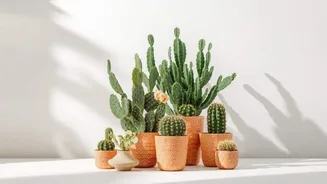
Cacti are sun-loving plants and thrive under bright light conditions. For optimal growth, position your cactus in a location that receives ample direct sunlight for the majority of the day. South or west-facing windows are typically ideal for this purpose. If your home doesn't provide sufficient natural illumination, especially during the shorter days of winter, consider supplementing with artificial grow lights. These lights can mimic natural sunlight and provide the necessary energy for your cactus to photosynthesize effectively, ensuring it remains healthy and robust even when outdoor conditions are less than ideal.
Temperature Control
Maintaining a stable and appropriate temperature is vital for your indoor cactus's well-being. These desert natives generally prefer daytime temperatures ranging between 20 and 30 degrees Celsius. During the cooler nighttime hours, they benefit from a slight drop in temperature, ideally between 10 and 15 degrees Celsius. It's crucial to shield your cactus from drastic temperature swings, so avoid placing it near heating vents, air conditioning units, or in drafty areas. Consistency in temperature helps mimic their natural habitat and promotes healthy growth cycles.
Fertilize Mindfully
While cacti are renowned for their low-maintenance nature, a judicious feeding can enhance their growth, particularly during their active seasons of spring and summer. Use a diluted liquid fertilizer specifically formulated for succulents. Apply this nourishment sparingly, about every four to six weeks, to provide essential nutrients without overwhelming the plant. It is imperative to halt fertilization altogether during the fall and winter months. This period marks a natural slowdown in growth for cacti, and providing nutrients then can be counterproductive and potentially harmful.