







Myth vs. Reality
A pervasive belief is that pounding the pavement inevitably leads to knee destruction. However, this is largely an oversimplification. While it's true
that poor running mechanics or ill-suited shoes can invite trouble, the act of running itself doesn't inherently wreck your knee joints. Intriguingly, scientific investigations suggest that individuals who engage in regular running might actually face a lower risk of developing osteoarthritis compared to those who remain sedentary. The cornerstone of knee longevity in runners lies in adopting correct running form and cultivating a heightened awareness of your body's signals, ensuring you don't push beyond safe limits and instead foster a resilient, healthy joint environment.
Surface Savvy
The ground beneath your feet significantly influences the stress transmitted to your knees. Running on unyielding surfaces like concrete can indeed feel harsh, though for some, this perceived stability is a preference. Conversely, softer terrains such as grass or unpaved trails can mitigate the impact forces, offering a gentler experience. However, these softer surfaces can introduce their own challenges, like the increased potential for slips or injuries from uneven ground. The optimal choice of running surface is a personal decision, best made by considering your individual comfort, current fitness level, and prior running experience to best protect your joints.
Footwear Fundamentals
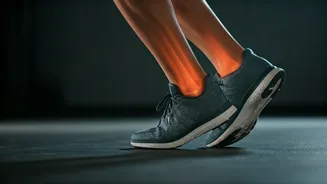
The shoes you wear are a critical line of defense against knee discomfort and potential issues when running outdoors. Your running shoes must provide ample cushioning to absorb the shock of each footstrike, alongside sufficient support tailored to your foot's arch and gait. Neglecting to wear appropriate footwear, or continuing to use shoes that are past their prime, can disrupt your body's natural alignment. This misalignment can create undue strain not only on your knees but on other joints as well, increasing the likelihood of developing pain or injury over time.
Joint Support System
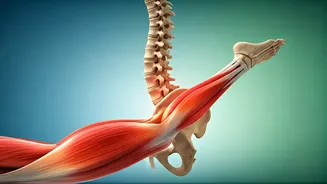
Far from being detrimental, running actively contributes to strengthening the muscular network that surrounds and supports your knee joints. Over time, a robust set of muscles, including the quadriceps at the front of your thigh, the hamstrings at the back, and your calf muscles, can significantly enhance joint stability. These strengthened muscles act as natural shock absorbers, effectively dissipating the impact forces generated with every stride. This reduction in direct stress on the knee cartilage and structures is invaluable for long-term joint health. Supplementing your running routine with targeted strength training exercises can amplify these protective benefits, allowing you to enjoy your runs with greater confidence in your knee's resilience.
Body Awareness is Key
Heeding your body's signals is paramount for preventing injuries and enjoying the long-term advantages of outdoor running. If you experience persistent discomfort that extends beyond typical post-exercise fatigue, it's imperative to pause and evaluate. This might involve reassessing your training intensity, duration, or frequency, or perhaps considering a professional consultation with a healthcare provider. By tuning into your body and making necessary adjustments, you can ensure that your running remains a source of sustained well-being without compromising the integrity of your knee joints, paving the way for a fulfilling and healthy running journey.