





Nutritional Powerhouse Revealed
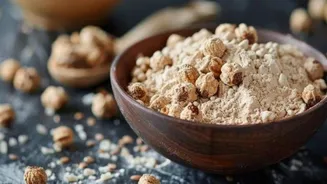
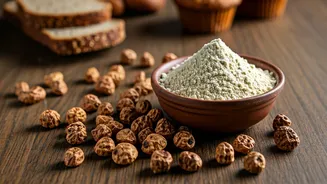
Tigernut flour, derived from the humble tiger nut tuber, is rapidly gaining traction as a superior gluten-free flour alternative. Its appeal stems from a remarkable
nutritional composition that extends far beyond simply being a wheat substitute. This flour is exceptionally rich in dietary fiber, a key component that aids significantly in promoting a healthy digestive system and plays a crucial role in stabilizing blood sugar levels. Furthermore, it's a good source of essential minerals such as magnesium and potassium, vital for numerous bodily functions. Unlike conventional wheat flour, tigernut flour is inherently gluten-free, making it an excellent choice for individuals managing gluten intolerance or celiac disease. Its unique high content of resistant starch also contributes to prolonged feelings of satiety, helping you stay full for extended periods after consumption, which can be beneficial for weight management. This potent combination of nutrients makes it a truly valuable ingredient for health-conscious bakers.
Seamless Recipe Integration
Introducing tigernut flour into your favorite baking recipes is a straightforward process, especially when starting with a cautious approach. It's recommended to begin by substituting up to 25% of the total flour content in a given recipe with tigernut flour. This initial adjustment allows you to gradually acclimate to its properties while ensuring the final baked goods maintain their desired texture and overall structure. By adhering to this guideline, you can effectively harness the impressive nutritional benefits of tigernut flour without compromising the familiar mouthfeel of your treats. It's important to note that tigernut flour tends to absorb more moisture than traditional flours. Consequently, you might need to make slight adjustments to the liquid components of your recipe to achieve the perfect consistency. Experimenting with this substitution will empower you to create healthier versions of your beloved baked goods.
Flavorful & Adaptable Ingredient
The distinct flavor profile of tigernut flour is one of its most appealing attributes, offering a naturally sweet and pleasantly nutty taste that complements a wide array of culinary creations. This inherent sweetness and depth of flavor make it incredibly versatile, suitable for both sweet confections and more savory applications. In the realm of sweets, it pairs beautifully with warming spices such as cinnamon and nutmeg, enhancing the flavor of cookies, muffins, and cakes. Its adaptability also extends to staples like bread and pancakes, where it can introduce a subtle complexity. Whether you're crafting delicate pastries or hearty breakfast items, the unique taste of tigernut flour can elevate your dishes and introduce an exciting new dimension to your cooking repertoire, making it a welcome addition across various global cuisines.
Proper Storage for Freshness
To ensure that your tigernut flour retains its optimal quality and extends its shelf life, proper storage practices are essential. The most effective method involves transferring the flour into an airtight container immediately after opening. This container should then be kept in a cool, dry location, away from direct sunlight and humidity, which can degrade its freshness. For even longer preservation, consider refrigerating or freezing the tigernut flour. These methods significantly prolong its usability while safeguarding against potential spoilage caused by environmental factors such as excessive heat or moisture. By following these simple storage guidelines, you can ensure that your tigernut flour remains a high-quality ingredient, ready to be used in your healthy baking endeavors for an extended period.