



Rethinking Space Accessibility
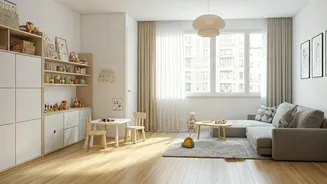
The key to a child-friendly small home isn't necessarily more space, but rather how that space is utilized. Traditional high cupboards for toys and books
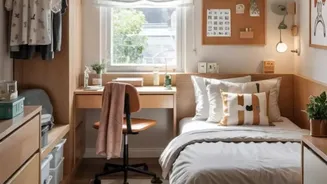
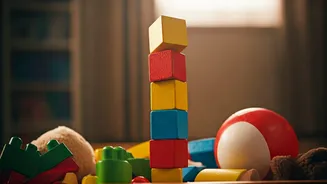
can be replaced with low, open shelving. This fundamental shift allows children to easily reach and put away their own belongings, fostering a sense of autonomy and responsibility. By limiting the number of items available at any given time, parents can also reduce clutter and encourage focused play. Even in shared living areas where a dedicated child's room is impossible, a simple floor mat can delineate a child's designated activity zone, helping them concentrate their attention and feel a sense of personal territory within the larger home.
Designing for Independence
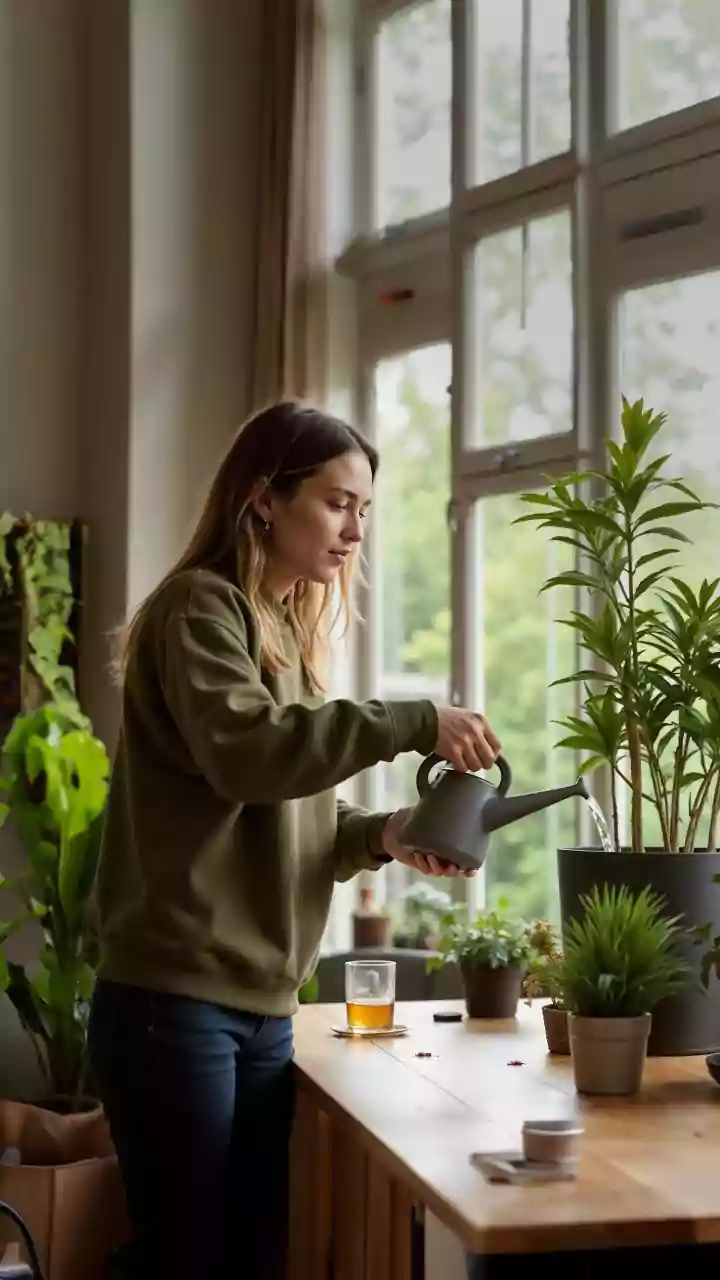
Everyday routines in small homes can often lead to friction when children require constant adult assistance. Smart design can minimize these challenges by incorporating child-sized elements into daily life. Installing low hooks for coats and bags, providing accessible small tables, and having dedicated baskets for essentials empower children to manage their belongings independently. These thoughtful additions transform mundane tasks into opportunities for developing self-reliance. Furthermore, integrating practical life activities, such as a water-pouring station or a folding tray, allows children to engage in meaningful real-world tasks. These simple setups, which don't require elaborate furniture or dedicated rooms, are invaluable for building fine motor skills, enhancing concentration, and boosting a child's confidence through hands-on learning experiences.
Creating a Calm Corner
Even in the most bustling and compact homes, creating a dedicated space for quiet reflection is crucial for a child's emotional well-being. A 'calm corner' doesn't demand much space; it can be as simple as a comfortable cushion, soft lighting, and a few beloved books. This personal sanctuary provides children with a refuge where they can process their emotions, practice self-regulation, and find comfort independently, reducing the need for constant adult intervention. By offering a predictable and soothing environment, parents can help their children develop essential coping mechanisms and a greater sense of emotional balance.
Intentional Design Benefits
Small homes should not be viewed as a constraint but rather as an invitation for creative and intentional design. By prioritizing accessibility, encouraging independence, and cultivating moments of calm, even limited square footage can become a nurturing ground for a child's development. When living spaces are organized with clarity and purpose, children gain the confidence to navigate their world with ease. This thoughtful approach not only supports a child's natural curiosity and growth but also contributes significantly to a more harmonious and less stressful daily routine for the entire family.