





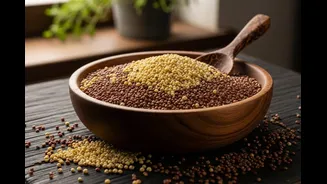
A Complete Protein Source
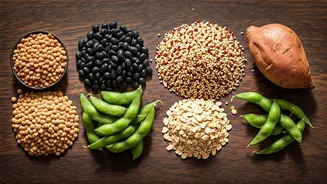
Amaranth stands out in the grain world due to its exceptional protein content, offering a vital nutrient for tissue repair and muscle development. What
truly sets it apart is its status as a complete protein, meaning it contains all nine essential amino acids. This is particularly beneficial for individuals following plant-based diets, such as vegetarians and vegans, who might otherwise find it challenging to meet their daily protein requirements. Incorporating amaranth into meals can be an effective strategy to achieve adequate protein intake without relying on animal-based foods, contributing significantly to overall bodily functions and energy levels.
Rich in Essential Minerals
Beyond its impressive protein profile, amaranth is a treasure trove of essential micronutrients crucial for maintaining bodily health. It is particularly abundant in iron, vital for ensuring efficient oxygen transport throughout the bloodstream. Magnesium is another key mineral found in amaranth, playing a significant role in supporting optimal muscle performance and contributing to strong, healthy bones. Furthermore, amaranth provides a good source of calcium, which is indispensable for building and maintaining robust skeletal structures and healthy teeth. Consuming amaranth regularly can help individuals meet their recommended daily allowances for these indispensable minerals.
Gluten-Free Alternative
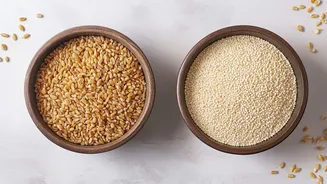
For individuals managing celiac disease or experiencing sensitivity to gluten, the search for safe and versatile grains can be a constant challenge. Amaranth emerges as an excellent gluten-free substitute for traditional wheat-based products, offering a delicious and functional alternative in various culinary applications. Its inherent protein structure assists in providing body and texture when combined with other gluten-free flours, such as rice or tapioca starch, in baking and cooking. This makes it a valuable ingredient for creating a wide range of gluten-free breads, pastas, and other baked goods, expanding dietary options for those who need to avoid gluten.
Antioxidant Powerhouse
Amaranth also boasts a significant presence of antioxidants, including vitamin E and various phenolic compounds. These beneficial substances work within the body to combat oxidative stress by neutralizing harmful free radicals. Unchecked, these unstable molecules can lead to cellular damage over time, potentially contributing to various health issues. The regular inclusion of amaranth in one's diet, as part of a broader intake of antioxidant-rich foods, can positively impact overall well-being. This may help mitigate risks associated with chronic conditions such as heart disease and type 2 diabetes by reducing systemic inflammation.