



Hydroponic System Selection
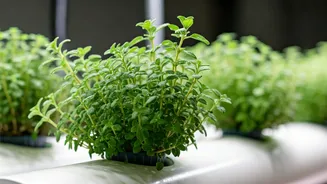
Embarking on your indoor thyme adventure begins with selecting the ideal hydroponic system. For herbs like thyme, methods such as Deep Water Culture (DWC)
or the Nutrient Film Technique (NFT) are highly recommended. DWC immerses the plant roots directly in a nutrient and oxygen-rich water reservoir, fostering robust development. NFT, on the other hand, circulates a thin film of nutrient solution over the roots, ensuring they receive continuous nourishment and aeration. When making your choice, thoughtfully consider the available space in your home, your budget constraints, and the level of ongoing maintenance you're prepared to undertake. Each system has unique advantages that can contribute to the overall success of your soil-free thyme garden, allowing for controlled and consistent growth regardless of the season.
Illumination Essentials
To cultivate healthy and flavorful thyme indoors, providing adequate light is paramount. Your thyme plants will thrive with a consistent daily exposure of 12 to 16 hours of light. Modern LED grow lights are an excellent, energy-efficient solution, as they offer a tailored light spectrum specifically beneficial for plant photosynthesis and growth. It's crucial to position these lights at an appropriate distance from your plants; too close, and you risk burning the delicate foliage, while too far, and the plants may not receive sufficient energy to flourish. Proper lighting is fundamental to mimicking the sunlight thyme would receive outdoors, ensuring vigorous growth and preventing legginess.
Nutrient Solution Mastery
The foundation of successful hydroponic thyme cultivation lies in the precise formulation of your nutrient solution. This water-based diet must be carefully balanced to provide all essential macro and micronutrients. Key elements include nitrogen for leaf growth, phosphorus for root development, and potassium for overall plant health. Additionally, calcium, magnesium, and vital trace elements like iron and manganese are indispensable. Maintaining the correct pH level is equally critical; for thyme, a range between 5.5 and 6.5 ensures optimal nutrient uptake by the roots. Regular monitoring and adjustment of the pH are necessary to prevent nutrient lockout and promote vigorous growth.
Environmental Control
Beyond light and nutrients, managing the ambient environment is key to a thriving indoor thyme garden. Thyme prefers a moderate temperature, ideally between 20°C and 24°C (68°F to 75°F) during daylight hours, with a slight drop at night. Equally important is controlling humidity levels; aim for a range of 40% to 60%. This balance is crucial for preventing the proliferation of fungal diseases and mold while ensuring the plants remain hydrated and healthy. Consistent monitoring of temperature and humidity allows you to create a stable microclimate that supports vigorous and disease-free thyme growth throughout the year.
Pruning and Harvesting
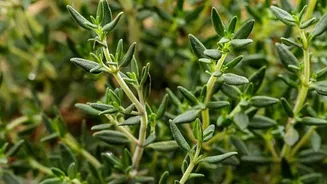
To encourage a dense, bushy growth habit and prevent your indoor thyme from becoming leggy, regular pruning is essential. As the plant matures, gently pinch off the top sets of leaves when the stems reach approximately six inches in height. This practice stimulates new growth from lower nodes, resulting in a more compact and productive plant. Always ensure you leave enough foliage on the plant to support continued photosynthesis and growth. Harvesting in this manner not only yields fresh thyme for your culinary needs but also actively contributes to the long-term health and vigor of your hydroponic herb.