






Understanding Sweat and Odor
Sweating is a vital bodily function designed to regulate internal temperature and prevent overheating. This process involves sweat glands releasing fluids
onto the skin's surface. While sweat itself is largely odorless, its interaction with the skin's bacteria is what gives rise to unpleasant body smells. Factors like humid weather, physical exertion, and certain medical conditions can amplify sweating. Ayurveda specifically identifies imbalances in Pitta Dosha as a significant contributor to excessive perspiration. Furthermore, obstructed sweat channels can lead to a buildup of toxins, manifesting as body odor even with seemingly reduced sweating. Understanding these root causes is the first step towards effective, natural management.
Ayurvedic Herbs for Freshness
Ayurveda offers potent natural solutions to tackle excessive sweating and body odor. One remarkable remedy is the Jamun fruit and its leaves. A decoction prepared from Jamun leaves, sometimes combined with Bel leaves, can significantly curb sweat and eliminate unpleasant odors. Consuming this mixture regularly not only addresses perspiration issues but also aids in managing conditions like leucorrhoea and diabetes, and even helps with burns. The recommended dosage involves about 500 ml of the concoction mixed with water, which is effective in regulating sweat and reducing odor-causing bacteria. This ancient remedy provides a fragrant alternative to artificial deodorants, promoting a natural scent from within.
Daily Cleansing Rituals
Incorporating specific cleansing practices into your daily routine can dramatically improve sweat and odor management. During hotter months, bathing twice daily is highly recommended. Enhancing your bathwater with ingredients like neem leaves, rose petals, or Triphala powder can help inhibit sweating and neutralize odors. The application of sandalwood in talc or powder form is another excellent method to reduce perspiration and its associated smell. For a more comprehensive approach, consider using products formulated with ingredients like neem for oil control and pore cleansing, cucumber for hydration, and aloe vera for skin soothing and healing. These natural elements, often found in herbal formulations, work synergistically to purify the skin, fight germs, and nourish the complexion.
Cooling Foods and Drinks
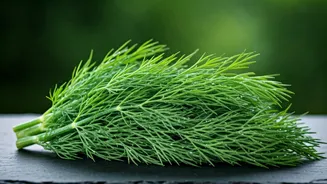
Diet plays a crucial role in maintaining internal temperature and controlling sweat production. Opting for cooling beverages like coconut water, buttermilk, rose sherbet, or milk helps in staying hydrated and regulating body heat, which is especially beneficial during summer. Infusions like coriander seed water, jeera water, and chilled hibiscus tea are also excellent choices. Alongside these drinks, a diet rich in cooling foods such as watermelon, cucumber, mint, and fennel seeds can further aid in keeping your body cool. Incorporating grains like oats, basmati rice, and barley into your meals can also contribute to this cooling effect. Conversely, it's advisable to limit caffeine-based drinks, excessively sour foods, and alcohol, as these can exacerbate body heat and sweating. For instance, a rose-infused drink of 750 ml can be particularly effective in combating summer heat and excessive perspiration.