





Wood Selection Matters
The journey of crafting a dhow miniature begins with the crucial selection of wood. The type of wood used significantly affects the miniature's appearance,
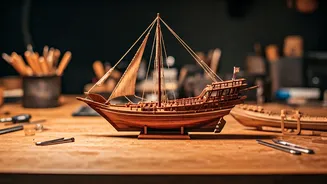
durability, and authenticity. Opting for the right scrap wood is the first step toward creating a remarkable piece. Consider factors such as the wood's grain, workability, and availability. Softwoods like pine or balsa are generally easy to carve and shape, making them suitable for beginners. Hardwoods, such as mahogany or teak, offer greater durability and a more refined appearance, suitable for experienced modelers. The grain of the wood plays a significant role; fine-grained wood provides a smoother surface for intricate details, while coarser grain adds character. Also, consider the wood's color and how it will complement your design. Always ensure the wood is dry to prevent warping or cracking after the miniature is built. Exploring various wood types and experimenting with them is a crucial part of the process, allowing modelers to discover their preferences and develop their unique methods for creating an exquisite dhow miniature.
Designing the Miniature
Designing your miniature dhow is a crucial step that sets the foundation for your project. Start with detailed plans and references. You can find these online through images, blueprints, or existing model kits. These provide essential insights into the dhow's structure, proportions, and unique characteristics. Accurately scaling the dhow's dimensions from the original reference to your miniature is essential for authenticity. Consider the overall design; the hull shape, the placement of the mast, the sails, and the deck features should all be in harmony with your design. Sketching your design before you start carving is a valuable step. This helps you visualize the finished product, allowing you to make any necessary adjustments. This design phase also involves deciding the specific details you want to incorporate, such as the number and type of sails, the presence of specific deck elements, and any decorative elements. By meticulously designing your dhow miniature, you establish the roadmap to creating a detailed and accurate representation.
Essential Crafting Tools
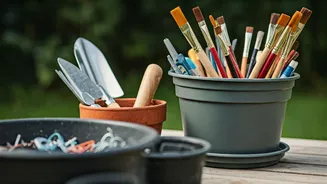
Crafting a dhow miniature calls for a variety of tools. These tools are essential for cutting, shaping, and assembling the different parts of the miniature. Begin with the basics: a sharp craft knife or hobby knife for precise cutting, a saw for larger pieces, and sandpaper in different grits for smoothing surfaces. Chisels are useful for carving details, while files are ideal for refining shapes and removing excess material. A set of clamps will come in handy when assembling various components, ensuring everything is held firmly in place as glue dries. A ruler and measuring tools are indispensable for precise measurements, ensuring your miniature is accurate to scale. For joining the parts, wood glue or a suitable adhesive is necessary. You may also need a drill and small drill bits for creating holes for masts or other features. To personalize your miniature, consider adding painting supplies like acrylic paints, paintbrushes, and other decorative materials to truly bring your dhow to life.
Techniques for Creation
The construction of a dhow miniature involves several critical techniques. Begin by transferring your design onto the selected wood, either directly or using a template. Use a saw to cut out the basic shapes of the hull and other essential parts. Shape the hull using a craft knife, chisels, and files, carefully carving away excess wood to achieve the desired curves and contours. Sand the surfaces thoroughly to eliminate imperfections, and ensure a smooth finish. Assemble the parts of your miniature using wood glue and clamps, ensuring that all elements align correctly. Pay close attention to the mast's construction and placement, the rigging, and the sails. For the sails, you can use thin fabric or paper, carefully cutting them to shape and then affixing them to the mast and rigging. Adding detail is essential to the overall effect. This might involve creating hatches, deck features, and other elements. Finally, consider adding a protective finish like varnish or sealant to protect your miniature and enhance its appearance.
Authentic Finishing Touches
The finishing touches are what transform a dhow miniature from a good project into a captivating replica. Adding these details gives a sense of realism. Consider the coloration of your miniature. Using natural wood tones or painting it to replicate the authentic colors of the dhow creates a remarkable appearance. Include the details of the hull, perhaps using stains to mimic the aged wood appearance. Rigging details are also essential. Use thread or fine cord to create the rigging of the sails. Attach small, realistic-looking ropes to replicate the original design. Also, consider the sails, which can be made from fabric or paper. Shape these to create the illusion of sails being filled by wind. Finally, don't overlook small details like the placement of any deck elements, such as crates, barrels, or miniature figures to give your dhow a story. With carefully considered finishing touches, your dhow miniature will evoke a feeling of authenticity.