
The Power of Plants
Plants offer more than just aesthetic appeal; they can significantly impact our health and well-being. Several plants possess calming properties that can ease
anxiety and promote relaxation, which is especially important for getting a good night's sleep. Incorporating these plants into your bedroom creates a tranquil environment conducive to rest. The natural compounds released by these plants interact with our senses, helping to soothe the mind and body. This natural approach to sleep enhancement is gaining popularity as people seek alternatives to synthetic sleep aids, turning their bedrooms into havens of serenity where they can enjoy improved sleep quality and wake up feeling refreshed.
Lavender's Gentle Touch
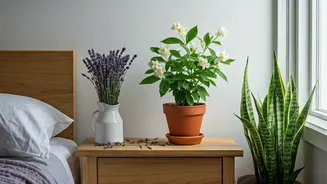
Lavender is arguably the most recognized sleep-inducing plant. Its soothing fragrance is widely known for its ability to calm the nervous system and reduce stress, making it an excellent choice for a bedroom. The scent of lavender can slow heart rate and lower blood pressure, promoting a feeling of relaxation. It can be used in various forms, including essential oils, dried flowers, and even lavender-infused pillows. Consider placing a small vase of lavender on your nightstand or using a diffuser to release the calming aroma before bed. The gentle scent of lavender can pave the way for a restful night's sleep, allowing you to wake up feeling rejuvenated and ready to embrace the day.
Jasmine's Sweet Embrace
Jasmine's sweet and exotic fragrance is another excellent choice for promoting sleep. Its scent is believed to have a positive impact on mood and can significantly reduce anxiety levels. Studies have shown that the scent of jasmine can lead to a more restful night's sleep, resulting in improved sleep quality and alertness the next morning. You can place a jasmine plant in your bedroom or use jasmine-scented products. The calming aroma of jasmine can create a serene atmosphere, making it easier to fall asleep and stay asleep. Jasmine's soothing qualities make it a perfect companion for a peaceful night's rest.
Snake Plant's Clean Air
Snake plants, also known as Sansevieria, are remarkable for their ability to purify the air. They release oxygen at night, which can improve air quality and create a healthier sleep environment. This makes them a great addition to your bedroom. Unlike many other plants, snake plants convert carbon dioxide into oxygen at night, which can enhance your sleep. They are also relatively low-maintenance, requiring minimal care, making them suitable for any lifestyle. Their ability to purify the air and contribute to a healthier sleep environment makes them an ideal choice for a bedroom, ensuring you wake up feeling refreshed and revitalized.
Chamomile's Gentle Calm
Chamomile is another great option for a restful night. It is well-known for its calming properties and has been used for centuries to treat insomnia and anxiety. The scent of chamomile can help relax the muscles and mind, preparing your body for sleep. You can incorporate chamomile in your routine in several ways, such as drinking chamomile tea before bed or using chamomile essential oil in a diffuser. Chamomile's soothing effects can help reduce stress and anxiety, creating a conducive environment for sleep. Its gentle properties make it a safe and natural way to improve your sleep quality.
Other Sleep-Inducing Plants
Besides lavender, jasmine, snake plants, and chamomile, other plants can help improve sleep quality. Peace lilies, English ivy, spider plants, gardenias, and aloe vera are some of the plants that can contribute to a better night's rest. Peace lilies are excellent air purifiers, which can improve air quality, while English ivy is known for reducing airborne mold and helping with allergy symptoms. Spider plants are easy to care for and also help clean the air. Gardenias offer a sweet fragrance and a calming effect, and aloe vera can purify the air while helping to treat minor skin irritations. All of these plants offer unique benefits that can improve sleep and overall well-being.
Care and Maintenance
While these plants are great for sleep, they also require proper care. The amount of care needed will vary depending on the plant, but common guidelines include adequate sunlight, watering, and soil maintenance. Overwatering can lead to root rot, while too little water can cause the plants to wilt. Ensure that each plant has the appropriate light requirements for optimal growth. Regular pruning can also help keep plants healthy and promote their growth. Proper care ensures the plants thrive, continuing to provide you with their sleep-enhancing benefits. Careful attention to their specific needs will ensure your plants remain healthy and continue to improve your sleep.
Creating Your Sleep Sanctuary
To make your bedroom a true sleep sanctuary, combine these plants with other sleep-promoting practices. Consider dimming the lights, creating a relaxing bedtime routine, and avoiding screens before bed. The addition of plants, along with these practices, can make a difference in the quality of your sleep. Investing in comfortable bedding, maintaining a consistent sleep schedule, and ensuring your bedroom is quiet and dark are equally important. These additional steps, when coupled with the presence of sleep-inducing plants, can transform your bedroom into a haven for relaxation, enabling you to sleep better and wake up feeling refreshed and invigorated.