



Metal Finish Selection
The selection of metal finishes is paramount in achieving a well-balanced interior design. For a clean, modern vibe, stainless steel is an excellent choice,
offering a smooth, reflective surface. Brushed nickel provides a more subdued, refined elegance that complements a variety of decor styles. If you're aiming for a bolder statement, consider the rich tones of copper or the warm luster of brass, which can introduce a touch of vintage charm or industrial flair. Each metal finish possesses a distinct personality, and the ultimate decision should align with the desired atmosphere and aesthetic you wish to cultivate within the space.
Wood Texture Harmony
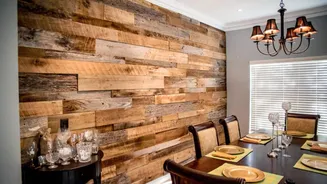
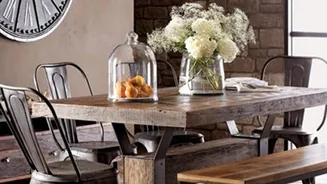
The variety of wood types significantly impacts the textural balance of a room. Sturdy woods like oak and maple offer a classic, durable foundation, lending a sense of timelessness to furniture and architectural details. Walnut, on the other hand, introduces a luxurious depth and rich coloration, enhancing the visual warmth. Introducing a mix of wood grains can imbue the space with captivating visual intrigue without creating a sense of clutter. It's vital to ensure that the selected woods harmonize by considering their inherent color palettes and the intricate patterns of their grains, leading to a cohesive and pleasing composition.
Strategic Accent Placement
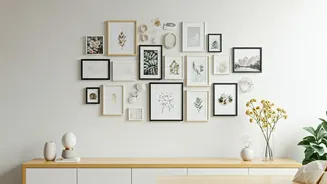
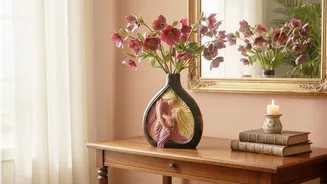
Thoughtful placement of metal accents can significantly enhance your decor, adding sophistication without overwhelming the existing elements. Consider using metal frames for artwork or mirrors to introduce a touch of refined elegance that draws the eye. Similarly, statement lighting fixtures crafted from materials like iron or aluminum can function not only as essential sources of illumination but also as decorative pieces that contribute substantially to the overall visual appeal of the room. These carefully chosen additions can elevate the space with subtle yet impactful touches.
Focal Points Creation
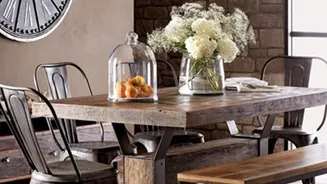
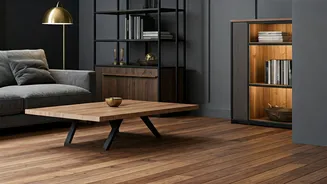
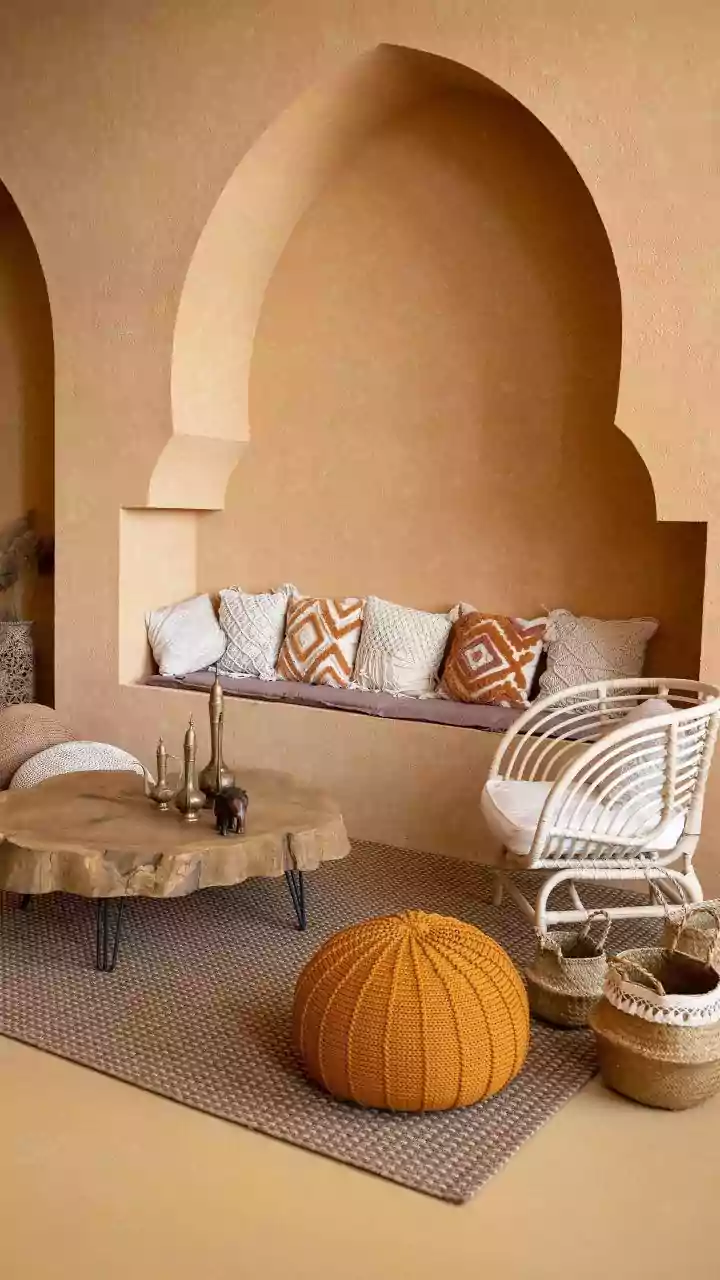
Creating compelling focal points through the strategic combination of metal and wood elements can effectively draw attention to specific areas within your home. A coffee table featuring both a solid wooden top and sleek metal legs can serve as a striking centerpiece, anchoring your living area's seating arrangement. Likewise, shelving units that integrate sturdy wooden shelves with robust metal supports offer a practical and stylish solution for storage, simultaneously boosting the room's visual dynamism. These mixed-material pieces serve as conversation starters and design anchors.
Color Coordination
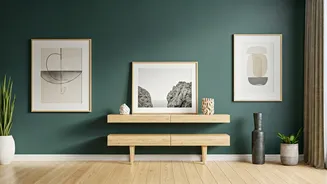
Achieving a sense of harmony in your decor when mixing metals and woods hinges on effective color coordination. Opting for neutral wall colors, such as various shades of gray or crisp white, prevents any clashing with the diverse hues of your chosen materials. This strategic approach allows the textural contrasts between the materials to take center stage, rather than competing color schemes. This consideration is particularly crucial given the natural variations present in wood grains and the distinct sheens offered by different metal finishes, ensuring a cohesive and polished look.