Step into the vibrant world of Makonde wood carvings, a testament to artistic skill and cultural heritage. This article will guide you through the intricate techniques used by artisans, the symbolism woven into each piece, and the historical context that makes these carvings so significant. Get ready to be inspired!
Artisans' Ingenious Methods
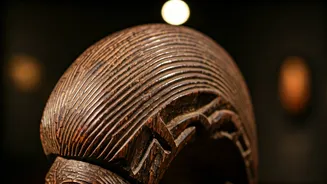
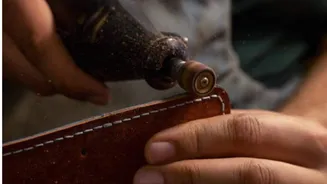
The creation of Makonde wood carvings showcases extraordinary skill and traditional techniques passed down through generations. Artisans skillfully employ diverse methods and tools to shape the wood. The primary tool is typically a combination of chisels, adzes, and knives. These tools allow them to carve intricate designs from wood. The choice of wood is critical, with the preferred varieties being those that are both durable and workable. The process often begins with selecting the right type of wood, like ebony, known for its deep color and fine grain, or other locally available hardwoods. After selecting the wood, artisans begin by sketching their designs directly onto the wood. Then, they carefully carve away the excess material, shaping the figures, patterns, and symbolic elements. A key technique involves removing the background to create a raised relief. This gives a three-dimensional aspect to the carvings. Another technique, known as 'ulimbo,' involves the application of natural oils to enhance the wood's grain and protect the carvings. The finish often involves staining or polishing to achieve the desired color and shine. The artisans' dedication to their craft, coupled with their mastery of these techniques, results in the breathtaking Makonde wood carvings that we admire today.
Themes in Carvings
Makonde wood carvings are not just aesthetically pleasing; they convey a rich tapestry of cultural narratives and symbolic meanings. The themes explored in these carvings frequently mirror aspects of daily life, social structures, and spiritual beliefs within the Makonde community. One of the most prominent themes is the depiction of family and community, often illustrated through the interconnectedness of figures and their interaction. Another recurring theme is the representation of ancestral spirits, which are believed to influence the lives of the living. Figures of ancestors are often intricately carved with elaborate details to show their importance. In addition to depictions of family and ancestors, these carvings frequently depict various aspects of the natural world, including animals and plants. These portrayals often carry symbolic meanings, such as strength, fertility, or transformation. Abstract forms and patterns are also prevalent in Makonde art. These may symbolize concepts such as spirituality, unity, and the interconnectedness of all things. Each carving tells a story, and its message is enriched by the artisan's creativity and the cultural values of the Makonde people.
Historical Significance Unveiled
The history of Makonde wood carvings is a narrative of cultural endurance and artistic evolution. The roots of this art form extend far back, with evidence suggesting its existence for hundreds of years. Initially, the carvings served practical and ceremonial functions within the Makonde society, such as items for rituals, tools, and objects for daily use. With the onset of colonial influences, the Makonde community experienced significant changes that also influenced their artistic expressions. Interactions with traders and the expansion of markets led to the evolution of the carvings into forms that met the needs of a wider audience. Despite these changes, the carvings maintained their cultural core. The Makonde people continued to use their art as a means of preserving cultural identity and conveying their values. Over time, the art form gained international recognition. This was due to its complex techniques, themes, and spiritual meanings. The rise of the art form to global acclaim has resulted in the recognition of the Makonde people's enduring contribution to art and culture. The art form serves as a poignant reminder of the deep history and artistic ingenuity of the Makonde people.