




Fabric Selection Fundamentals
The foundation of any exquisite batik piece lies in the fabric chosen. For authentic African batik wall art, cotton emerges as the prime candidate due
to its remarkable ability to absorb dyes evenly and its ease of manipulation. This natural fiber lends itself beautifully to the intricate processes involved. However, for those seeking a different tactile sensation and visual sheen, fabrics like silk or linen offer intriguing alternatives, each contributing a unique character to the finished artwork. Regardless of your choice, a crucial preliminary step involves thoroughly washing the fabric. This initial cleansing removes any sizing or finishing agents that could impede the dye's penetration, ensuring that your colors adhere vibrantly and consistently, setting the stage for a truly successful creation.
Harnessing Nature's Palette
Embarking on the journey of batik art with natural dyes means tapping into the earth's rich, sustainable palette. These dyes can be skillfully extracted from an array of botanical sources, including common plants, fruits, and even vegetables readily available around us. Imagine the brilliant golden hues derived from turmeric, or the enchanting shades of crimson and rose that can be coaxed from hibiscus flowers. The preparation process is straightforward yet requires a touch of patience: these natural materials are gently boiled in water until the desired color intensity is achieved. Once the vibrant liquid is ready, it's essential to meticulously strain out any solid remnants. This ensures a smooth, pure dye solution, free from impurities, ready to impart its natural beauty onto your chosen fabric without unwanted texture or clumping.
Mastering Wax Resist
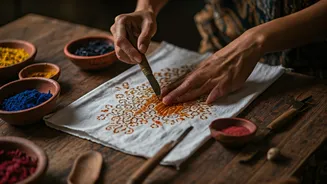
The soul of batik lies in its distinctive wax resist technique, a method that allows for the creation of intricate patterns and defined lines. This process involves melting either paraffin wax or pure beeswax until it becomes a liquid. This molten wax is then carefully applied to specific areas of the fabric that are intended to remain untouched by subsequent dye applications. Whether you opt for a fine brush for delicate details or a specialized tjanting tool for more elaborate designs, precision is key. As the applied wax cools and solidifies, it forms a protective barrier, effectively 'resisting' the dye. This ensures that only the unwaxed portions of the fabric will absorb the color, setting up the design that will emerge after the dyeing stages are complete.
Immersing in Color
With the wax resist meticulously applied, the fabric is now prepared for the captivating dyeing process. Submerge the waxed fabric into your carefully prepared natural dye baths, layering colors sequentially to achieve your desired artistic vision. The duration of immersion is critical; allow the fabric to soak until the color has penetrated to the perfect intensity, reflecting the depth and vibrancy you seek. Once the optimal shade is reached, carefully lift the fabric from the dye bath. To halt the dyeing process and set the color, immediately rinse the fabric thoroughly under cold running water. This step is vital for preventing the dye from continuing to spread or deepen beyond your intended design, preserving the crispness of your waxed-off areas.
Revealing the Masterpiece
The final, exhilarating stage of batik creation involves the delicate removal of the wax, a process that unveils the intricate artwork hidden beneath. After the fabric has completely dried from the dyeing and rinsing stages, it's time to reveal your masterpiece. Lay the dried batik piece flat and sandwich it between several layers of absorbent paper towels. Using an iron set to a low heat setting, carefully press down on the fabric. The gentle heat will melt the wax, allowing it to be absorbed by the paper towels. Continue this process, replacing the saturated towels as needed, until all traces of wax have been absorbed. This meticulous removal leaves behind a beautifully rendered image, its patterns and colors strikingly clear, ready to be proudly displayed as a unique piece of wall art.