





Crispy Mawa Gujiya
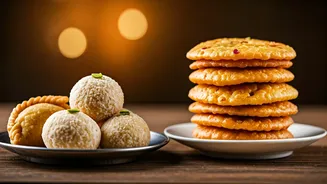
Begin your Holi sweet preparations with the beloved Mawa Gujiya, a traditional fried pastry. To achieve its signature crispiness, start by combining 2
cups of maida (all-purpose flour) with 1/4 cup of ghee. Rub these together until they resemble breadcrumbs, then gradually incorporate water to form a firm dough. Let this dough rest, covered with a damp cloth, for about 15-20 minutes. While the dough rests, prepare the filling by lightly browning 100g of mawa (khoya or milk solids) in a pan until golden. If using, add 1 tbsp of sooji (semolina) and roast for another minute, then allow the mixture to cool completely. Once cool, blend in 1/2 cup of powdered sugar, 1 tbsp each of chopped cashews, raisins, and chironji, along with grated coconut and 1 tsp of cardamom powder. This aromatic mixture will be your gujiya's heart. Next, take small portions of the rested dough, roll them into thin, round puris, and place about a teaspoon of the prepared mawa filling in the center. Moisten the edges of the dough with water, fold it in half to create a semicircular shape, and seal it tightly. You can use a gujiya mould for decorative edges or simply crimp them with your fingers. For the final touch, deep-fry these filled dumplings in ghee or oil over low to medium heat until they turn a beautiful golden brown. This careful frying process ensures they are cooked through and perfectly crispy.
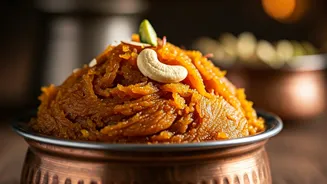
Malpua with Rabdi
Indulge in the delightful Malpua, a sweet pancake often paired with Rabdi for an exquisite taste experience. To create the malpua batter, combine 1/2 cup maida, 1/2 cup sooji, 1/4 cup malai (cream), 1 tbsp condensed milk, 1 tsp crushed fennel seeds, 1/2 tsp cardamom powder, and 1 cup milk. Whisk these ingredients thoroughly until you achieve a smooth, thick batter that can be poured. Allow this batter to rest for at least 30 minutes. Meanwhile, prepare the sugar syrup by boiling 1 cup of sugar with 1/2 cup of water for approximately 5 minutes, until it reaches a sticky consistency. Add a few strands of saffron to the syrup for colour and aroma, and keep it warm. Heat ghee or oil in a pan, and pour a ladleful of the rested malpua batter to form small, round pancakes. Fry them on medium heat, flipping them to ensure they turn golden brown on both sides. Once fried, immerse these warm malpuas into the prepared sugar syrup for about 2-3 minutes. This soaking allows them to absorb the sweetness. For serving, arrange the syrup-soaked malpuas and drizzle them with hot or cold rabdi, garnished with sliced pistachios and edible silver leaf (vark) for a truly festive presentation.
Tutti Frutti Gujiya
Add a burst of colour and playful sweetness to your Holi with the Tutti Frutti Gujiya, a vibrant variation on the classic. The dough for this recipe is prepared similarly to the traditional gujiya: knead 1.5 cups of plain flour with 4 tbsp of oil or ghee, gradually adding water to form a firm dough. Cover and let it rest. For the filling, gently cook 250gm of mawa on low heat until it softens. Stir in 1 tin of condensed milk and continue cooking, stirring constantly, until the mixture thickens and starts to pull away from the sides of the pan. Allow this mawa mixture to cool completely. Once cool, incorporate 1/2 cup of tutti frutti and 1 tsp of cardamom powder into the filling and mix well. Proceed to assemble the gujiyas as described for the mawa gujiya: roll small dough portions into thin circles, place a spoonful of the tutti frutti mawa filling in the center, moisten the edges, fold, and seal. Deep-fry these gujiyas on low to medium heat until they are golden and crispy. A final garnish of silver vark can enhance their festive appearance.
Key Preparation Tips
To ensure your homemade Holi sweets are a resounding success, keep these essential tips in mind. For achieving perfectly crisp gujiyas, it is crucial to use a stiff dough; a softer dough can lead to a less desirable texture. When frying, particularly the gujiyas, begin on low heat. This initial low-heat frying allows the pastry to cook through evenly without browning too quickly on the outside, preventing a raw interior. For the malpuas, allowing the batter to rest for at least 30 minutes is vital for achieving their signature soft and fluffy consistency. Lastly, ensure that the mawa filling for both types of gujiyas is completely cooled before assembly. A warm filling can make the pastry soggy, compromising the final texture and presentation. Adhering to these simple yet effective techniques will elevate your gujiya and malpua-making experience.