



Container Selection Essentials
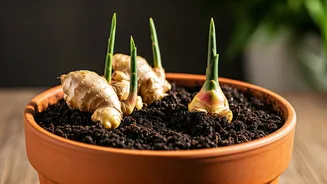
To successfully cultivate water chestnuts, the choice of container is paramount. Opt for a generously sized and deep vessel, such as a large tub or a pond
liner, to provide ample room for root development. The container should ideally possess a minimum depth of 12 inches, catering to the plant's growth requirements. Critically, ensure there are no drainage holes, as water chestnuts flourish when their roots are continuously submerged in water. This unique aquatic preference necessitates a watertight environment, making specialized containers a better choice than standard planters.
Planting Medium Mix
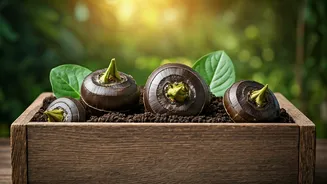
Crafting the right soil mixture is fundamental for water chestnut success. A balanced blend of equal parts topsoil and sand creates an ideal substrate. This combination masterfully strikes a balance between facilitating moisture retention, vital for these water-loving plants, and allowing for sufficient drainage to prevent waterlogging. When filling your chosen container, aim to fill it about three-quarters full with this prepared medium before introducing water. The soil should feel moist to the touch, akin to a damp sponge, but not waterlogged or soupy.
Sowing Your Seeds
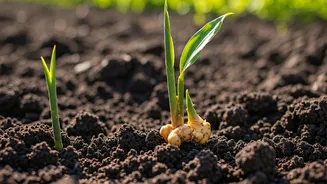
Water chestnut seeds, typically procurable from garden centers or online retailers during the appropriate planting season, require careful placement. Sow each seed approximately two inches deep into the prepared soil mixture within your container. Ensure a spacing of about six inches between each seed to allow for adequate growth and prevent overcrowding. Once the seeds are nestled in their new homes, cover them gently with a light layer of soil. Follow this by a soft watering of the surface to help settle the soil and establish initial contact with the seeds.
Optimal Growing Environment
Water chestnuts thrive under specific environmental conditions, particularly temperature and sunlight. They flourish in warm temperatures, ideally ranging between 70 and 90 degrees Fahrenheit (21 to 32 degrees Celsius). To promote robust growth and a healthy harvest, position your container where it will receive at least six hours of direct sunlight each day. This consistent exposure to sunlight is crucial throughout their entire growing season, which generally spans from spring until the arrival of fall when temperatures begin to decline significantly.