






Green Onion Renewal
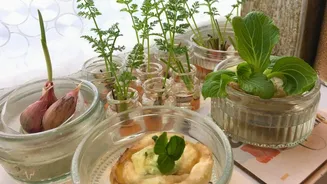
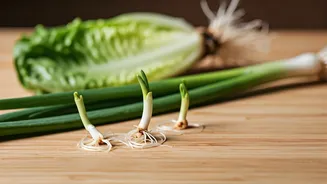
Transforming the humble white root of a green onion into a continuous supply is remarkably straightforward. Simply take the trimmed root end, typically
the part with the original root hairs still attached, and place it in a small glass or jar filled with fresh water. Ensure that the root is submerged while the green shoots are kept above the water's surface. Position this makeshift planter in a location that receives ample sunlight, such as a windowsill. To maintain optimal conditions and prevent bacterial growth, it's advisable to change the water every two to three days. Within a short period, you will witness new, vigorous green shoots emerging, ready for you to snip and enjoy in your culinary creations.
Carrot Top Greens
The leafy green tops of carrots, often discarded, hold the potential for a surprising new harvest of delicate greens. To initiate this process, take the tops of your carrots, usually the part where the leafy greens meet the root. Place these tops in a shallow dish, ensuring the cut surface where the root was attached faces downwards, into a small amount of water. Crucially, this dish should be kept in an area with indirect sunlight, avoiding harsh, direct rays. Regularly refresh the water, much like with the green onions, every couple of days. In about a week, you should observe small, new leaves unfurling from the center. These tender greens are perfect for adding a fresh, slightly peppery flavor to salads or as a decorative garnish for various dishes.
Lettuce for Continuous Harvest
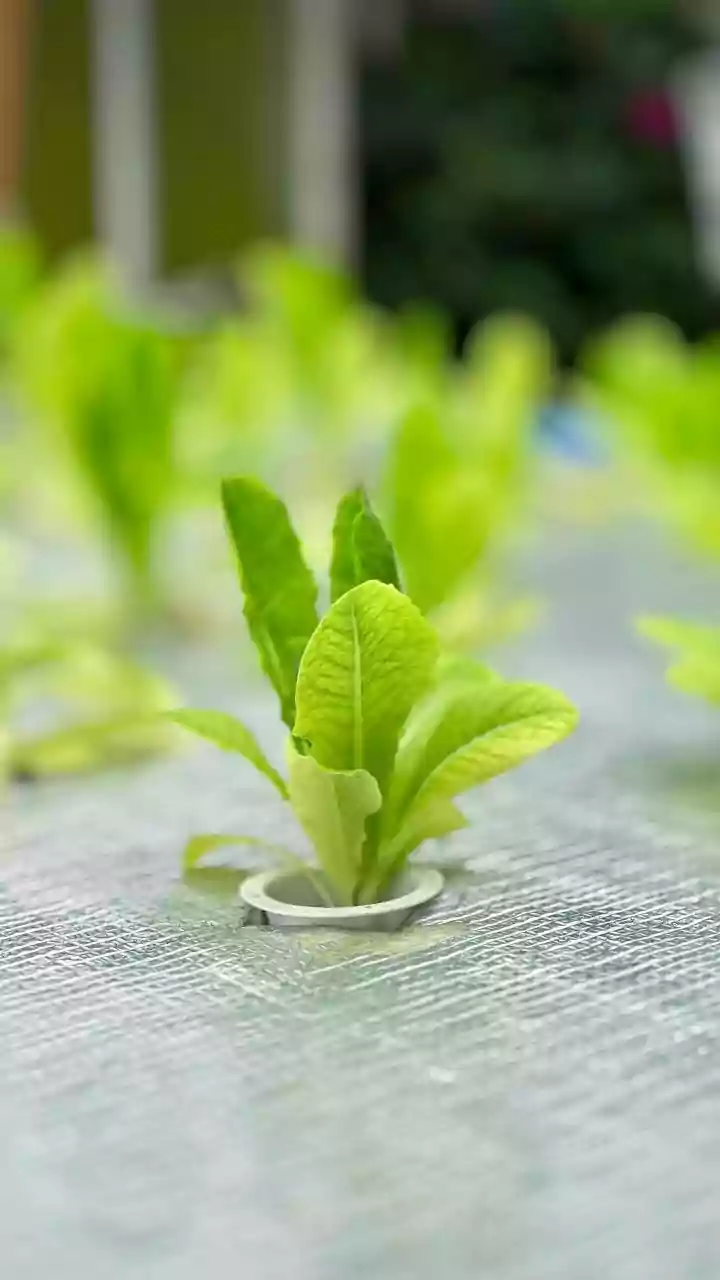
Enjoy an unending supply of fresh lettuce by regrowing from the base of a harvested head. Take the remaining core or base of your lettuce head, the part that still holds some of the stem and where new leaves would have emerged. Place this base in a shallow bowl or container, adding just enough water to cover about half of it. Like the other vegetables, this setup thrives in a spot with good sunlight exposure. It's important to change the water every two days to keep it clean and oxygenated. From the center of the lettuce base, new leaves will gradually emerge, allowing you to harvest fresh lettuce leaves repeatedly without needing to replant from seed.
Potato Tubers from Eyes
Giving new life to potato scraps is a rewarding endeavor that yields fresh tubers. Begin by cutting larger potatoes into sections, ensuring that each piece contains at least one 'eye' or bud. These eyes are the dormant points from which new growth will sprout. Prepare a pot with well-draining soil and plant these potato pieces about two inches deep. Consistent watering is key; keep the soil moist but not waterlogged, especially in the initial stages. Place the pot in a location that receives full sun. With diligent care and patience, new potato tubers will develop over several months, ready for harvesting.
Celery Root Regeneration
Celery, known for its crisp stalks, can also be regrown from its base. Take the leftover bottom portion of a celery stalk, the part that includes the core where the stalks originate. Stand this base upright in a container filled with water, ensuring that the cut end is submerged. Place this in a location that receives adequate light. Over approximately two weeks, you should see roots beginning to form at the bottom of the base. Once these roots have developed sufficiently, transplant the rooted base into a pot filled with potting soil. Continue to provide regular watering, maintaining soil moisture without allowing it to become soggy, which can lead to rot. With proper care, new celery growth will emerge.