






No Immediate Threat
Recent news surrounding two Indian nationals diagnosed with hantavirus aboard an international cruise ship has prompted clarification from Indian health
officials. The National Institute of Virology (NIV), through its director Dr. Naveen Kumar, has asserted that there is no immediate cause for public alarm in India. These isolated cases are not indicative of widespread community transmission within the country. Dr. Kumar emphasized that hantavirus transmission from person to person is exceptionally rare and does not pose a significant public health challenge comparable to highly contagious viruses. The focus remains on managing the specific cases and monitoring the situation, with the overall public health threat being assessed as low by international health organizations.
Understanding Hantavirus Transmission
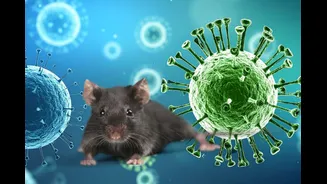
Hantaviruses are primarily transmitted to humans through contact with infected rodents or exposure to their contaminated environments. This typically involves inhaling virus particles present in rodent urine, droppings, or saliva, especially in enclosed or poorly ventilated spaces such as barns, storage facilities, or cruise ship cabins. While certain strains found in South America, like the Andes virus, have demonstrated limited human-to-human transmissibility, the majority of strains prevalent in Asia and Europe are not known to spread between people. Consequently, the risk of a hantavirus outbreak stemming from these cruise ship cases is considered minimal, as the virus does not readily transmit between individuals.
Recognizing Hantavirus Symptoms
Identifying hantavirus infections can be challenging in their initial stages, as the symptoms often mimic those of common illnesses like influenza or dengue fever. These early signs typically manifest one to five weeks after exposure and include a range of symptoms such as fever, body aches, headaches, chills, fatigue, nausea, and vomiting, often accompanied by a dry cough. In more severe instances, individuals may develop acute respiratory distress, experience a drop in blood pressure, or suffer kidney-related complications, including a significant reduction in urine output. Prompt medical attention is crucial for accurate diagnosis and management of the illness.
India's Diagnostic Capabilities
India possesses robust diagnostic infrastructure to identify and monitor potential hantavirus infections. The Indian Council of Medical Research's National Institute of Virology (NIV), along with its extensive network of Viral Research and Diagnostic Laboratories, is equipped to handle such cases. Currently, 165 laboratories across the nation are equipped with RT-PCR testing facilities, ensuring the capability to confirm suspected hantavirus cases. Health authorities advise travelers and individuals working in areas frequented by rodents to maintain stringent hygiene practices and actively avoid habitats where rodents are likely to be found to minimize their risk of exposure.
Climate Change and Rodent-Borne Diseases
Looking ahead, environmental factors, particularly climate change, may contribute to an increased long-term risk of rodent-borne diseases globally, including in India. Shifts in climate patterns, coupled with factors like increased urbanization and inadequate waste management, can facilitate the movement of rodents into human settlements and dwellings. Heavy rainfall and flooding can also force rodents into homes, warehouses, and storage areas, thereby escalating the chances of human exposure to viruses like hantavirus. Despite these potential future risks, current evidence does not suggest widespread transmission linked to the cruise ship incidents, underscoring the continued importance of rodent control, sanitation, and personal hygiene.