








Singing's surprising benefits
Singing, often associated with pleasure, offers a wealth of surprising health advantages. Medical research indicates that the act of singing can profoundly
influence both physical and mental states. For those who participate in choral singing, studies have shown a decrease in stress levels, accompanied by an improvement in the overall feeling of well-being. Furthermore, singing promotes enhanced lung function and cardiovascular health. The deep, controlled breathing required for singing contributes to improved oxygenation of the blood. Consequently, the practice of singing is more than merely a pleasant pastime; it serves as a method of maintaining and enhancing physical and mental health, demonstrating the holistic impact of creative activities.
Stress reduction through song
One of the primary benefits of singing is its ability to reduce stress. The rhythm and melody of music, combined with the focus on vocal production, have a calming effect on the nervous system. When individuals sing, their bodies release endorphins, natural mood lifters that combat stress and promote feelings of happiness and relaxation. Additionally, participating in group singing, such as during Christmas carols, fosters a sense of community and shared joy. This social aspect contributes to a reduction in feelings of isolation, further mitigating stress. Regular engagement in singing, whether alone or in a group, can act as a potent tool to manage and alleviate the daily pressures of modern life, offering a holistic approach to stress management.
Lung function enhancement
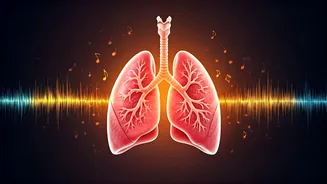
Singing is a fantastic exercise for the lungs. The process involves deep, controlled breathing, which is essential for proper vocalization. When someone sings, they utilize their respiratory system to its fullest capacity. This practice strengthens the diaphragm and improves lung capacity. Regular singing can help to increase oxygen intake and improve overall respiratory health. The deep breaths associated with singing also help to clear the airways, preventing the build-up of mucus and reducing the risk of respiratory infections. Singing is, therefore, a natural and enjoyable way to maintain and enhance pulmonary health, and is especially beneficial during the cold and flu season that often coincides with the singing of Christmas carols.
Boosting Cardiovascular Health
Beyond its impact on mental and respiratory health, singing positively affects the cardiovascular system. The act of singing improves heart rate variability, which is a key indicator of cardiovascular health. This is because the controlled breathing techniques used in singing help regulate the autonomic nervous system, which controls heart rate and blood pressure. Furthermore, singing can also lower blood pressure and improve circulation. Regular singing exercises the heart muscles, making them more efficient and reducing the risk of heart disease. The rhythmic nature of singing helps to regulate the cardiovascular system, contributing to overall health and well-being. This is why singing, particularly during festive occasions, can contribute to a healthier lifestyle.
The Joy of Group Singing
The social aspect of singing, especially in groups, offers unique benefits. Group singing activities, like singing Christmas carols, foster a sense of belonging and community. This shared experience creates emotional bonds, reduces feelings of loneliness, and promotes a positive social environment. The collective singing brings people together, encouraging a spirit of teamwork and shared purpose. Such collaborative engagement has been shown to boost feelings of happiness and self-esteem. Furthermore, participating in these activities provides a platform for making new friends and strengthening social connections. These positive social interactions are also significant for mental health, helping to diminish stress and improve the overall quality of life.
Singing and Mental Wellness
Singing has a significant impact on mental wellness. The creative outlet of singing allows for emotional expression and stress relief. Engaging in vocal activities, whether alone or with others, is a powerful tool for managing mental health challenges, such as anxiety and depression. When someone sings, the brain releases endorphins, which act as natural mood boosters, resulting in feelings of happiness and satisfaction. Additionally, the act of learning and memorizing lyrics exercises the brain, improving cognitive function and memory. The calming nature of music and the positive emotions associated with singing can significantly reduce stress levels, contributing to improved mental health and overall well-being. Singing, therefore, is an effective and enjoyable way to maintain a healthy mind.
Seasonal Singing Benefits
Christmas carols, a significant part of the holiday season, offer heightened health advantages, providing a unique opportunity to boost well-being. The festive atmosphere enhances the emotional experience of singing, amplifying the benefits of stress reduction and mood elevation. Participating in carol singing during the Christmas season offers an opportunity to connect with others, building community and reducing feelings of isolation, often prevalent during the winter months. The songs themselves frequently evoke nostalgic memories and positive associations, further improving mood and mental health. Engaging in these seasonal activities adds a layer of joy and connectedness, resulting in a holistic improvement in physical and mental health. The tradition, therefore, is more than just a pastime; it's a practice that fosters joy, unity, and a sense of well-being.