






The Controversy Unpacked
The National Eligibility cum Entrance Test (NEET-UG) 2026, a crucial gateway for undergraduate medical and dental admissions across India, has been abruptly
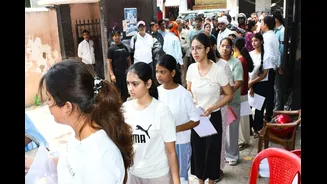
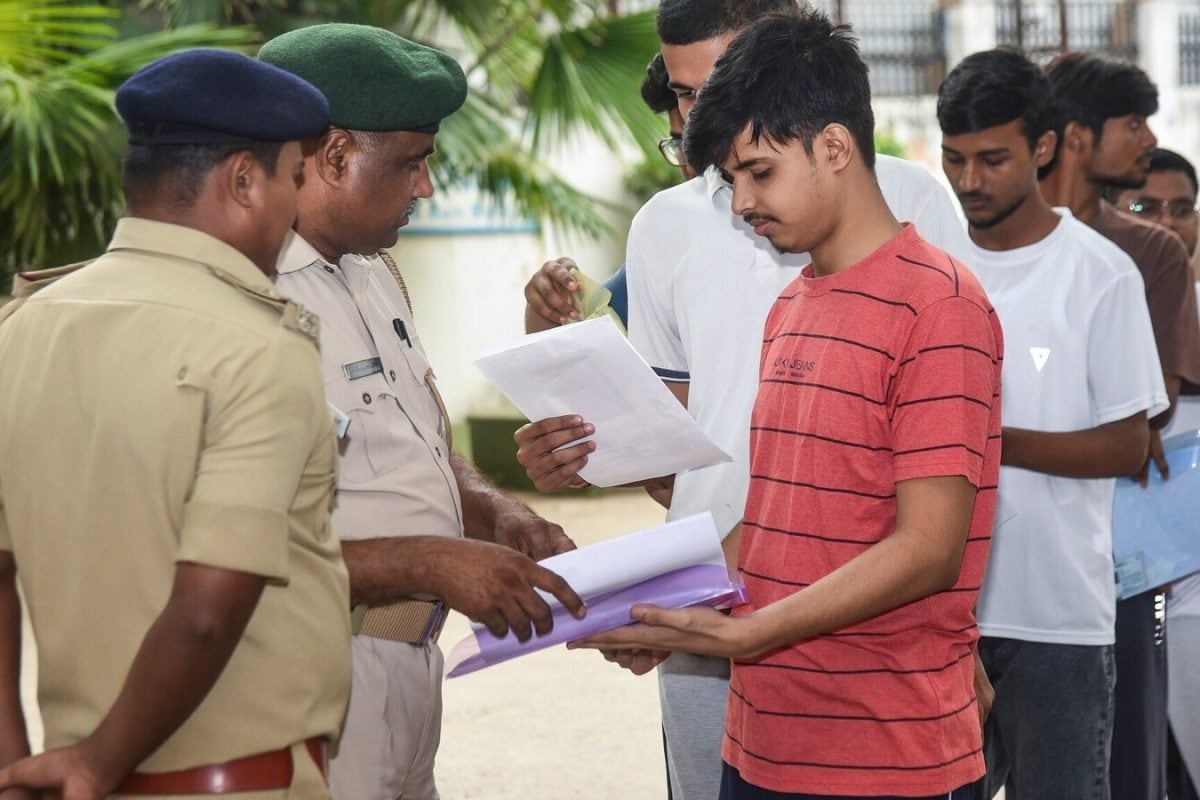
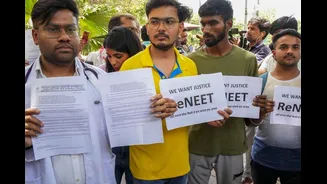
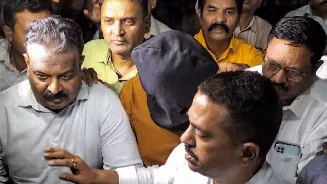
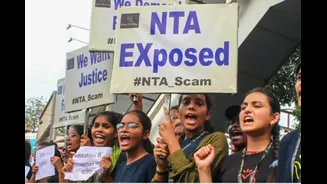
called off by the National Testing Agency (NTA). This decision follows allegations of a significant paper leak that cast a shadow over the examination held on May 3rd. Over 22.79 lakh candidates nationwide had prepared diligently for this single, standardized offline test. While the NTA initially maintained that the exam proceeded under full security, subsequent investigations by Rajasthan Police brought to light disturbing similarities between pre-circulated question sets and the actual NEET-UG paper. Officials reported recovering a document containing over 400 questions, with more than 100 from Biology and Chemistry exhibiting striking resemblances to those in the examination. Although authorities are exploring the possibility of an organized network, the material was initially described as akin to a "guess paper" or coaching material. In response, the government has initiated a comprehensive Central Bureau of Investigation (CBI) probe into the alleged irregularities. The NTA has announced that the medical entrance test will be re-conducted on new dates, a prospect that has further amplified anxiety among students who feel their invested time and effort might be undermined.
Impact on Students' Well-being
The unexpected cancellation of the NEET-UG 2026 examination has profound implications for the mental and emotional state of the participating students. Mental health professionals warn of a spectrum of adverse reactions, including palpitations, severe migraines, persistent insomnia, and a pervasive sense of worry about future academic prospects and rank. Dr. Manisha Arora highlights that such postponements can trigger an "identity suspension," leading students to question their preparedness and ability to replicate past performance, fearing the exam might become harder or cover new syllabus areas. Common physical manifestations cited by experts include headaches, dizziness, stomach disturbances, nausea, diarrhea, racing heartbeats, and even panic attacks, alongside potential shifts in appetite, such as binge eating or loss of appetite. These profound effects underscore the critical need for vigilance from parents and guardians regarding the students' psychological well-being during this uncertain period.
Coping Mechanisms and Support
In the wake of the NEET-UG 2026 cancellation, mental health experts emphasize practical strategies for students to manage the stress and anxiety. Dr. Aarti Anand reassures students that the knowledge acquired will not be lost and will be beneficial for the rescheduled exam. A core piece of advice is to acknowledge and process emotions rather than suppressing them, viewing this pause as an opportunity for structured self-care, including adequate sleep, nutrition, and hygiene, while limiting exposure to media discussions on the controversy. Professionals also strongly advise against excessive speculation and negative thinking. Instead, maintaining established routines, fostering connections with family and friends, and continuing preparation steadily are recommended. The emphasis is on remaining calm and focused on the academic path ahead. Experts like Dr. Manisha Arora encourage students to build upon their existing preparation, gradually alleviate exam-related fears, and calmly recommence their studies, viewing this setback not as a failure but as a test of emotional fortitude and resilience.