


Prime Watering Times
The timing of your plant's drink significantly impacts its ability to absorb water and remain healthy. The most beneficial moment to water is typically
in the early hours of the morning. During this period, the air is cooler and there's less wind, which drastically reduces the rate at which water evaporates from the soil's surface. This allows the moisture to seep deeper into the soil, reaching the plant's root system more effectively. Conversely, watering during the peak heat of the day is detrimental; it can shock your plants, causing undue stress, and much of the precious water will be lost to the atmosphere before it can be of any use. Making early morning a habit is a simple yet powerful strategy for efficient plant hydration and overall plant well-being.
Gauge Soil Moisture
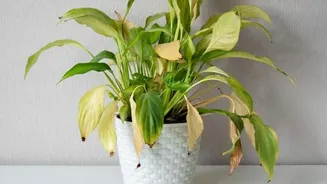
Accurately assessing the moisture content of your soil is a cornerstone of effective plant care, helping you avoid the common errors of both over- and under-watering. A simple yet reliable method is the finger test: insert your finger about two inches deep into the soil. If the soil feels dry at this depth, it's a clear indication that your plant is ready for a drink. For those seeking greater precision, utilizing a dedicated moisture meter can provide a more scientific reading of the soil's hydration levels. These devices offer objective data, allowing you to make informed decisions about when and how much to water, thereby ensuring your plants receive precisely what they need for optimal health and growth without the risks associated with improper hydration.
Select Proper Tools
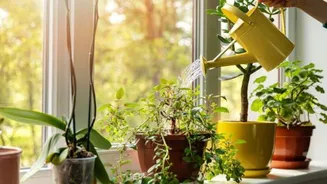
The right watering equipment can transform the chore of plant hydration into an efficient and effective process. For nurturing indoor plants or tending to a small balcony garden, a classic watering can often proves to be the most suitable choice, offering controlled pouring. For more expansive outdoor spaces, such as large gardens or lawns, a garden hose equipped with an adjustable spray nozzle provides greater reach and versatility, allowing you to customize the water flow and coverage. For a truly efficient and water-saving approach, consider implementing a drip irrigation system. These systems deliver water directly to the base of each plant, targeting the root zone, which minimizes water loss through evaporation and runoff, ensuring that moisture is delivered evenly and precisely where it's needed most.
Tailor Water to Plants
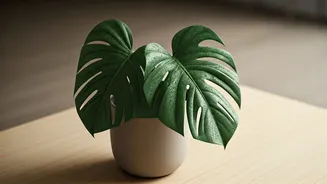
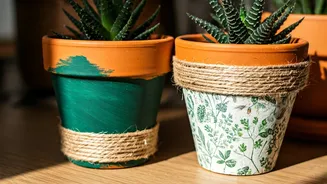
Recognizing that each plant possesses unique hydration requirements is crucial for successful gardening. Factors such as a plant's species, its native environment, and the prevailing conditions all influence its water needs. For instance, tropical plants, which often originate from humid climates, generally require more frequent watering to mimic their natural habitat. In stark contrast, succulents and cacti, adapted to arid regions, thrive on much drier conditions and are susceptible to root rot if overwatered. Therefore, it's essential to research the specific needs of each plant in your collection. This personalized approach ensures that every plant receives the appropriate amount of moisture, preventing issues like dehydration or waterlogged roots and promoting vigorous, healthy growth tailored to its individual requirements.
Monitor Weather's Impact
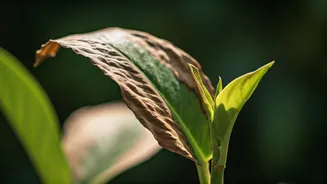
External environmental conditions, particularly the weather, play a significant role in dictating your plant's hydration schedule. During periods of intense heat or prolonged dry spells, you'll likely need to increase both the frequency and the volume of water you provide to your plants to compensate for increased evaporation and transpiration. Conversely, when the skies open up and rain falls, your garden will receive natural hydration, often to the point where additional watering becomes entirely unnecessary. Paying close attention to weather forecasts and current conditions allows you to proactively adjust your watering routine, ensuring your plants remain adequately hydrated without the risk of overwatering during wet periods or succumbing to drought stress during hot, dry spells.