







The Elusive Onset
Parkinson's disease, a progressive neurological condition affecting over 10 million worldwide, is growing in prevalence but remains widely misunderstood
and frequently diagnosed late. This degenerative disorder stems from the gradual depletion of dopamine-producing brain cells, leading to significant motor and non-motor challenges. While primarily associated with individuals over 60, a notable 10–15% of cases manifest in those under 50, underscoring the critical need for awareness across all age demographics. The exact etiology is complex, likely a confluence of genetic predispositions and environmental factors, making early identification paramount for intervention and management strategies that can profoundly impact a patient's quality of life and preserve their independence.
Subtle Clues and Overlooked Symptoms
A significant hurdle in managing Parkinson's disease is the delayed diagnosis, often due to early symptoms being so subtle they are mistaken for normal aging. These initial motor signs, including resting tremors, a noticeable slowness in movement, muscle rigidity, difficulties with balance and posture, and the phenomenon of gait freezing, can progressively impair an individual's ability to move freely and maintain their autonomy. Crucially, Parkinson's also presents a wide array of non-motor symptoms that, while frequently ignored, carry a substantial burden on a patient's well-being. These can encompass depression, anxiety, disrupted sleep patterns, cognitive shifts, a diminished sense of smell, persistent constipation, and issues with the autonomic nervous system. Alarmingly, these non-motor manifestations often emerge years before any motor symptoms become apparent, providing a vital, yet often missed, window for earlier detection and intervention.
Revolutionary DBS Therapy
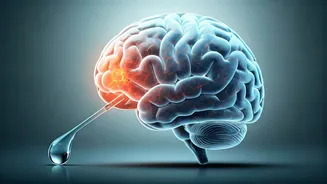
Parkinson's disease is characterized by the progressive degeneration of dopamine-producing neurons deep within the brain, resulting in a constellation of motor and non-motor symptoms that can severely diminish one's quality of life. While initial stages are often managed effectively with medication, many patients eventually experience fluctuating symptom control, marked by unpredictable 'on-off' periods and a waning response to pharmaceutical treatments. In these challenging circumstances, advanced therapeutic options like Deep Brain Stimulation (DBS) emerge as a powerful tool. DBS works by modulating aberrant neural circuits in the brain, thereby offering more consistent and reliable symptom management. The technology behind DBS has seen continuous innovation, with developments in adaptive stimulation, directional leads, and AI-driven programming, all contributing to more precise and individualized patient care. A multidisciplinary approach to patient evaluation at the appropriate disease stage is vital for optimizing treatment outcomes, empowering patients to maintain their independence and functional capabilities for longer periods.
Raising Awareness Together
As Parkinson's Awareness Month arrives, it's imperative to renew our collective commitment to elevating public understanding, dismantling the stigma surrounding the condition, and ensuring equitable access to accurate diagnoses and effective treatments for all affected individuals. With global populations aging, the overall prevalence of Parkinson's is projected to escalate, magnifying the urgent need for increased investment in research initiatives, robust caregiver support systems, and enhanced healthcare infrastructures. Patients, their families, and caregivers are strongly encouraged to seek consultation with a neurologist, neurosurgeon, or visit a specialized movement disorders clinic if they suspect any symptoms. Embracing early detection and initiating timely management are pivotal steps toward improving long-term prognoses and significantly enhancing the overall quality of life for those living with Parkinson's disease.