




Pot Perfection
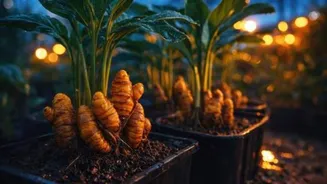
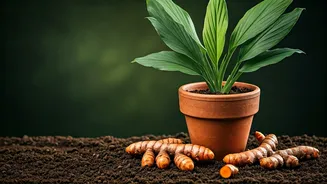
Embarking on your indoor turmeric journey begins with selecting the ideal vessel. To ensure your turmeric rhizomes have ample space to flourish and develop,
opt for a container that measures at least 12 inches in depth. This crucial depth allows the root system to expand unhindered. Furthermore, it's imperative that your chosen pot is equipped with sufficient drainage holes. These holes are vital for preventing water stagnation, a common culprit behind root rot and subsequent plant distress. A pot that offers a wider rather than a deeper profile is often more beneficial, as it provides the lateral space necessary for the rhizomes to spread out comfortably, mimicking their natural growth habit.
Soil Alchemy
The foundation for a thriving turmeric plant lies in its soil composition. Turmeric thrives in an environment that is both nutrient-dense and allows for excellent water percolation. To achieve this optimal blend, a mix of equal parts potting soil, rich compost, and coarse sand is highly recommended. This tripartite combination strikes a perfect balance, offering the necessary sustenance for growth while simultaneously ensuring excess water can drain away freely, thus averting the perils of waterlogged roots. Before introducing your turmeric rhizomes, ensure this soil mixture is pleasantly moist – not saturated to the point of sogginess. For sustained vitality and vigorous development throughout the growing season, consider supplementing the soil with organic fertilizers every few weeks.
Watering Wisdom
Mastering the art of watering is paramount for cultivating a healthy and productive turmeric plant indoors. The key lies in maintaining a consistently moist soil environment without succumbing to the temptation of overwatering. Excessive moisture can quickly lead to the development of root rot, a detrimental condition that can severely impact your plant's health. A reliable indicator for when to water is when the uppermost inch of the soil feels dry to the touch. During periods of warmer weather, you may observe that your plant requires water more frequently due to increased evaporation. Conversely, as temperatures cool, you will likely need to reduce the watering schedule accordingly, ensuring the plant doesn't become waterlogged during its less active phase.
Light's Embrace
Turmeric plants, even when grown indoors, have a significant need for light to fuel their growth and development. They thrive best when bathed in bright, indirect sunlight for a substantial portion of the day, ideally between six to eight hours. Position your potted turmeric plant near a window that offers filtered light, perhaps one that receives morning sun or is partially shaded during the harshest afternoon rays. If your indoor environment lacks sufficient natural light, especially during shorter days or in rooms with limited window exposure, artificial illumination becomes a valuable alternative. In such cases, employing grow lights is an effective solution. Ensure these lights are positioned at an appropriate distance from the plant to provide adequate illumination without causing any scorching or heat damage.