





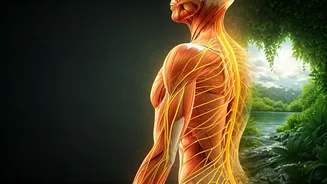


Winter's Impact on Body
During the colder months, our bodies naturally adopt a more conserved state. This often leads to consuming richer, more calorific foods, reducing physical
activity, and seeking warmth. Traditional Indian dietary patterns reflect this tendency, incorporating ghee-laden meals, root vegetables, and carbohydrates that provide insulation and sustain energy levels. However, as winter concludes, this internal rhythm doesn't instantly shift to match the changing external environment. This disconnect can manifest as sluggish digestion, uncomfortable bloating and acidity, a feeling of low energy despite the increasing daylight hours, and a compromised immune system as the seasons transition. In Ayurvedic principles, this phase is often linked to an imbalance of Kapha dosha, which can lead to a slower metabolism and diminished vitality if not properly addressed through seasonal adjustments.
The Detox Fad vs. Reality
Contrary to popular wellness trends, the concept of 'detox' doesn't involve drastic measures like starvation diets or exclusive liquid cleanses to flush out imagined toxins. Your body possesses sophisticated internal detoxification mechanisms, including your liver, kidneys, lungs, skin, and gut, which continuously work to eliminate waste. Engaging in extreme detox practices can, in fact, be counterproductive. These methods can further decelerate your metabolism, lead to critical nutrient deficiencies, disrupt the delicate balance of your gut bacteria, and induce unwelcome fatigue and mood fluctuations. Instead of aiding your body's natural processes, these restrictive fads often impose significant stress, directly opposing the restorative support your system requires after enduring the winter months.
Reviving Digestive Fire
Following winter's chill, your digestive system may operate at a reduced capacity. As temperatures rise and seasons shift, your body benefits from assistance in rebooting this vital function. Embracing simple, gentle practices can significantly aid this process. Begin your day by sipping warm water, perhaps with a squeeze of lemon if it suits your digestion. Incorporating digestive spices like fresh ginger, cumin seeds, black pepper, and ajwain (carom seeds) into your meals can stimulate your 'digestive fire.' Opting for lighter evening meals helps reduce the digestive load overnight, allowing your body to rest more effectively. This mindful approach encourages your body's natural detoxification pathways by improving overall digestive efficiency and promoting better nutrient absorption.
Nourish, Don't Deprive
Instead of resorting to restrictive diets that eliminate entire food groups, a more effective approach involves embracing clean, seasonal eating. Focus on incorporating an abundance of fresh vegetables, particularly those in season like gourds and leafy greens, which are rich in vitamins and fiber. Enjoy seasonal fruits in moderation, appreciating their natural sweetness and nutrients. Including fermented foods such as curd (yogurt) or traditional kanji (fermented rice or vegetable drink) can be highly beneficial for promoting a healthy gut microbiome. Simultaneously, it's advisable to reduce your intake of excessive sugar, fried foods, and late-night meals, as these can place an unnecessary burden on your liver. Also, limit processed snacks, which often contain additives that hinder your body's natural cleansing processes. The key is to prioritize nourishment and provide your body with the wholesome ingredients it needs to thrive, rather than focusing on deprivation.
Movement for Circulation
Winter's inclination towards a more sedentary lifestyle can leave us feeling sluggish. The transition period of February and March presents an ideal opportunity to reintroduce gentle, low-impact physical activities that significantly enhance circulation and support lymphatic drainage. Consider incorporating regular morning walks to invigorate your system and connect with the outdoors. Practicing light yoga poses and gentle stretching can improve flexibility and aid in releasing physical tension. Engaging in deep breathing exercises or pranayama (yogic breathing techniques) not only calms the mind but also oxygenates the body, promoting overall well-being. These forms of movement assist your body in its natural waste elimination processes by stimulating sweat production and improving blood flow throughout the body, effectively 'flushing' out stagnation.
Hydration and Rest
Many individuals tend to reduce their water intake during the winter months, but as temperatures begin to climb, staying adequately hydrated becomes paramount. Consuming water at warm or room temperature is generally more conducive to digestion compared to very cold beverages. Herbal infusions, such as jeera (cumin) water or coriander water, can also serve as gentle aids in cleansing and supporting the digestive system. Beyond hydration, prioritizing sleep and managing stress are critical, often overlooked, aspects of detoxification. Your body undertakes its most profound restorative and cleansing functions while you are asleep. Maintaining consistent sleep schedules, minimizing exposure to screens before bedtime, and taking short digital breaks throughout the day are crucial for allowing these vital processes to occur uninterrupted, thereby enhancing your body's natural ability to heal and rejuvenate.