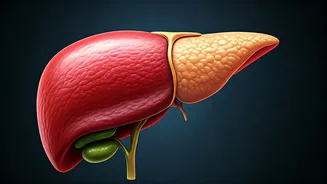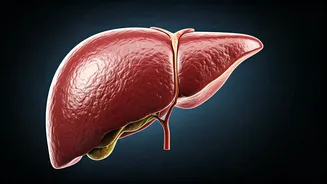








What is Lean Fatty Liver?
Lean fatty liver is a medical condition where excess fat accumulates in the liver of individuals who maintain a standard body mass index (BMI). This contrasts
with the common perception that fatty liver disease primarily affects those who are overweight or obese. It falls under the broader umbrella of metabolic dysfunction-associated steatotic liver disease (MASLD) but presents in individuals who do not exhibit typical risk factors like high blood sugar or uncontrolled blood pressure. Interestingly, this form of the condition is frequently observed in younger age demographics compared to the more commonly recognized MASLD patients. This phenomenon directly challenges the widely held belief that a normal body weight and BMI are sufficient indicators of overall metabolic well-being and, by extension, optimal liver functioning. It highlights that a healthy weight alone does not necessarily equate to a healthy metabolic system.
Why More Cases in India?
The increasing prevalence of lean fatty liver in India can be attributed to the unique way metabolic diseases manifest in the Indian population. Even individuals who appear physically lean might harbor underlying metabolic risks. Several lifestyle and dietary patterns contribute significantly. These include diets heavily reliant on refined carbohydrates, such as polished white rice, processed bakery items, and packaged snacks. Coupled with this is a trend of reduced physical activity, especially in urban settings with sedentary, desk-bound jobs, a pattern that has been further exacerbated in the post-COVID era. A key factor is the accumulation of visceral abdominal fat – fat that surrounds internal organs – even when overall body weight is within the normal range. The quality of diet and the timing of meals often play a more critical role than the total quantity of food consumed. Furthermore, irregular sleep patterns, influenced by factors like night shifts, excessive late-night screen time ('doom-scrolling'), and binge-watching trends, along with prolonged exposure to high-stress environments, all contribute to this growing health concern.
Subtle Symptoms & Misleading Weight
A significant challenge with lean fatty liver is its insidious nature; it typically produces no noticeable symptoms in its early stages, leaving individuals feeling perfectly healthy. The diagnosis is often incidental, usually occurring during routine health check-ups when mild elevations in liver enzymes are detected or when an abdominal ultrasound reveals fatty changes in the liver. This lack of overt warning signs has two concerning consequences. Firstly, a majority of cases are diagnosed only after some degree of liver damage has already occurred. Secondly, the absence of discomfort makes it easy for individuals to postpone taking action, as they perceive no immediate health threat and may prioritize work or personal stresses over addressing this silent condition. The misleading aspect of normal weight is that it can mask several underlying metabolic issues. A normal BMI can coexist with increased visceral fat deposits around vital organs, a reduction in functional skeletal muscle mass, borderline or elevated fasting blood glucose levels, and dyslipidemia, characterized by abnormal cholesterol readings. This combination of factors leads to the clinical classification of being 'metabolically unhealthy despite a normal weight'.
Beyond Standard Risk Factors
Several less commonly discussed factors can significantly contribute to lean fatty liver, in addition to the more recognized risk factors. These include irregular eating habits, such as frequently skipping meals or engaging in late-night eating, which disrupt the body's metabolic processes. Poor sleep quality and chronic stress are also major contributors, as they profoundly impact hormonal balance and metabolic regulation. The long-term use of certain medications can also play a role in liver health. Additionally, a diet low in adequate protein can lead to a decrease in muscle mass and impair overall metabolism. Deficiencies in essential vitamins like Vitamin D and B12 are also prevalent in the population and can have a cumulative effect on metabolic health. When these factors combine, they can lead to significant disruptions in the body's metabolic equilibrium, ultimately contributing to the development of fatty liver disease and potentially long-term liver damage if not addressed.
Effective Management Strategies
The primary approach to managing lean fatty liver emphasizes improving metabolic health rather than focusing solely on weight reduction. Key strategies include adopting a balanced diet, prioritizing nutrient-dense foods over strict calorie restriction. This involves significantly reducing the intake of refined carbohydrates and added sugars, which are major culprits in contributing to fat accumulation. Ensuring adequate dietary protein is crucial to help preserve muscle mass, which is vital for a healthy metabolism. Regular physical activity is also a cornerstone of management, incorporating both aerobic exercises and resistance training for a comprehensive fitness regimen. Consistency in meal timings is important, avoiding large or heavy meals close to bedtime. Furthermore, individuals should undergo routine monitoring of essential health markers, including blood glucose levels, lipid profiles, and liver enzymes, rather than solely relying on body weight as an indicator of health. For many Indians, recognizing these lifestyle factors and taking proactive steps early on is incredibly beneficial, as fatty liver is often reversible with sustained dietary and behavioral modifications at this stage.